A field guide to the ecological communities that shape the region.

Ecological Community Field Guide

Each community below pairs a landscape photograph with a description and the best places to experience it. Use the list to explore every habitat mentioned in the field guide.

Ecological Communities of the Region

From ancient dunes to the mangrove-tangled tides.

Xeric Hammock

Xeric Hammock

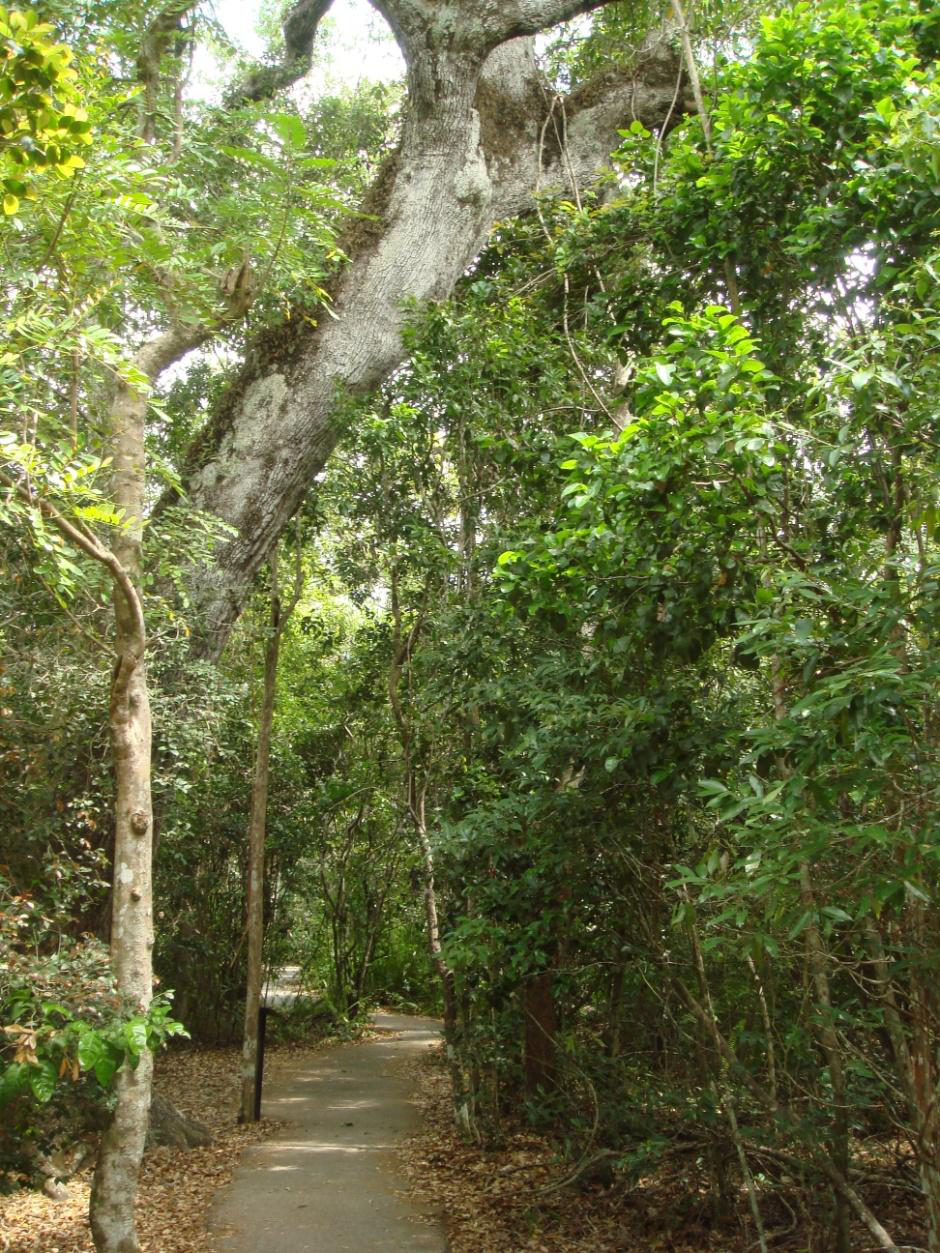
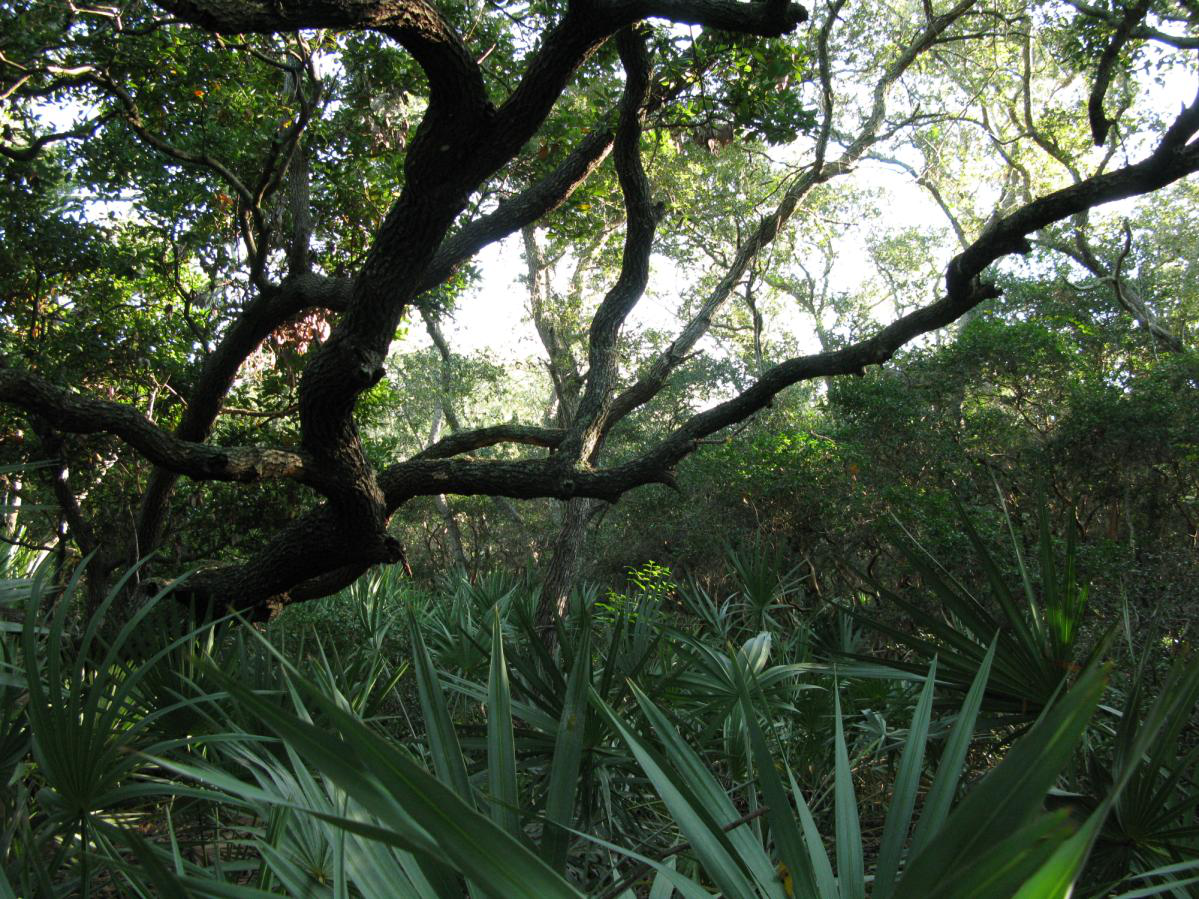
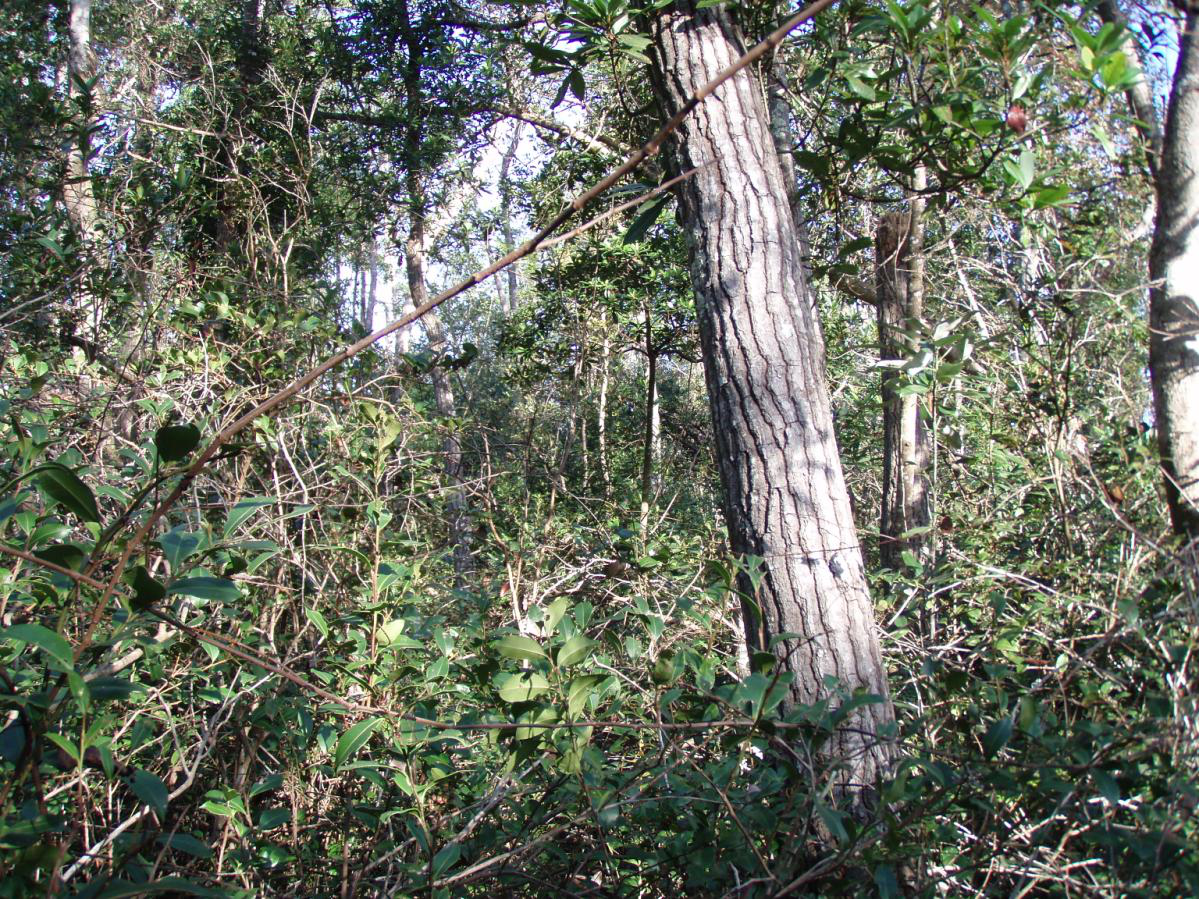
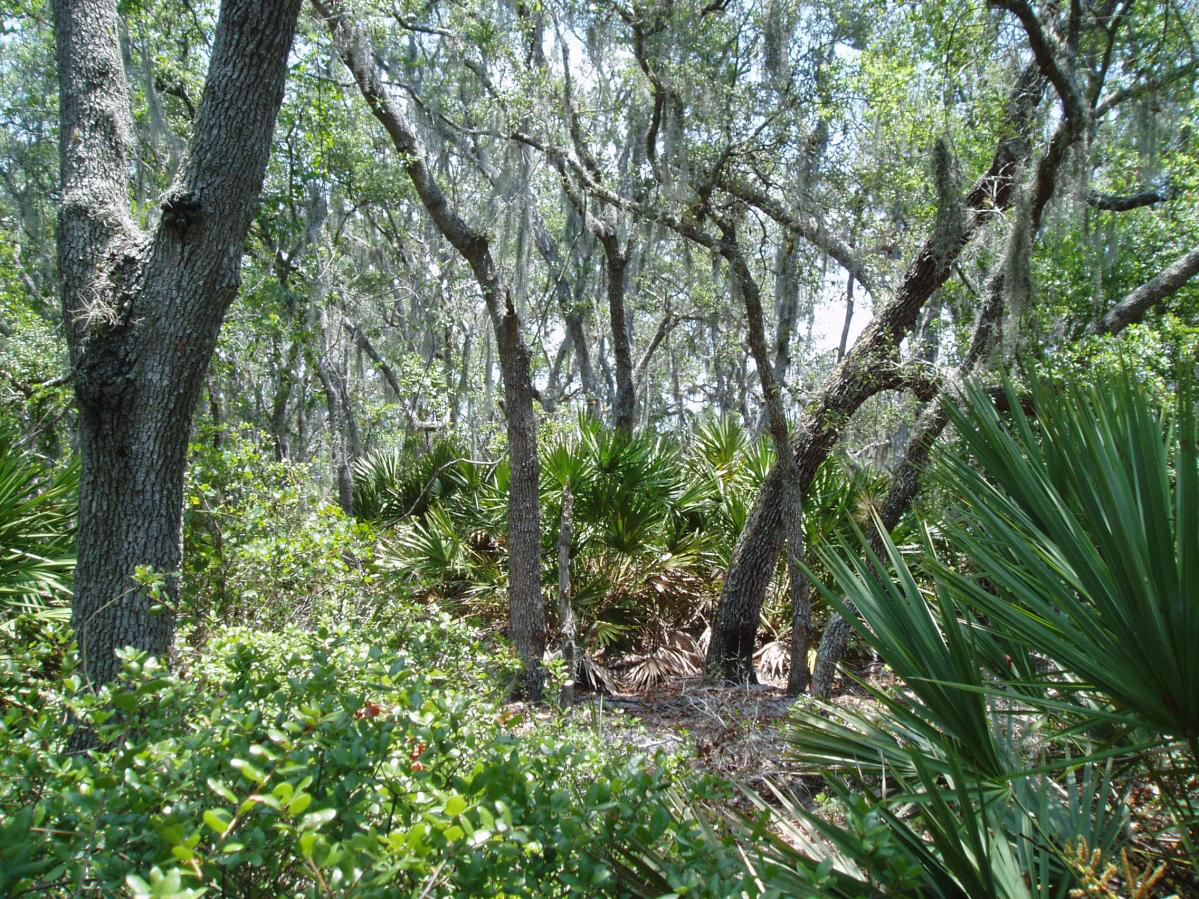
On ancient dunes where fire has been forgotten, sand live oaks weave a closed canopy that locks in moisture and silence. The deep leaf litter creates a cool refuge from the surrounding heat, a place where the soil slowly builds itself up from the decay of the canopy.

Where to see it: The shaded oak domes of Lithia Springs Conservation Park or the high ground at Little Manatee River State Park.
Wet Prairie

Wet Prairie

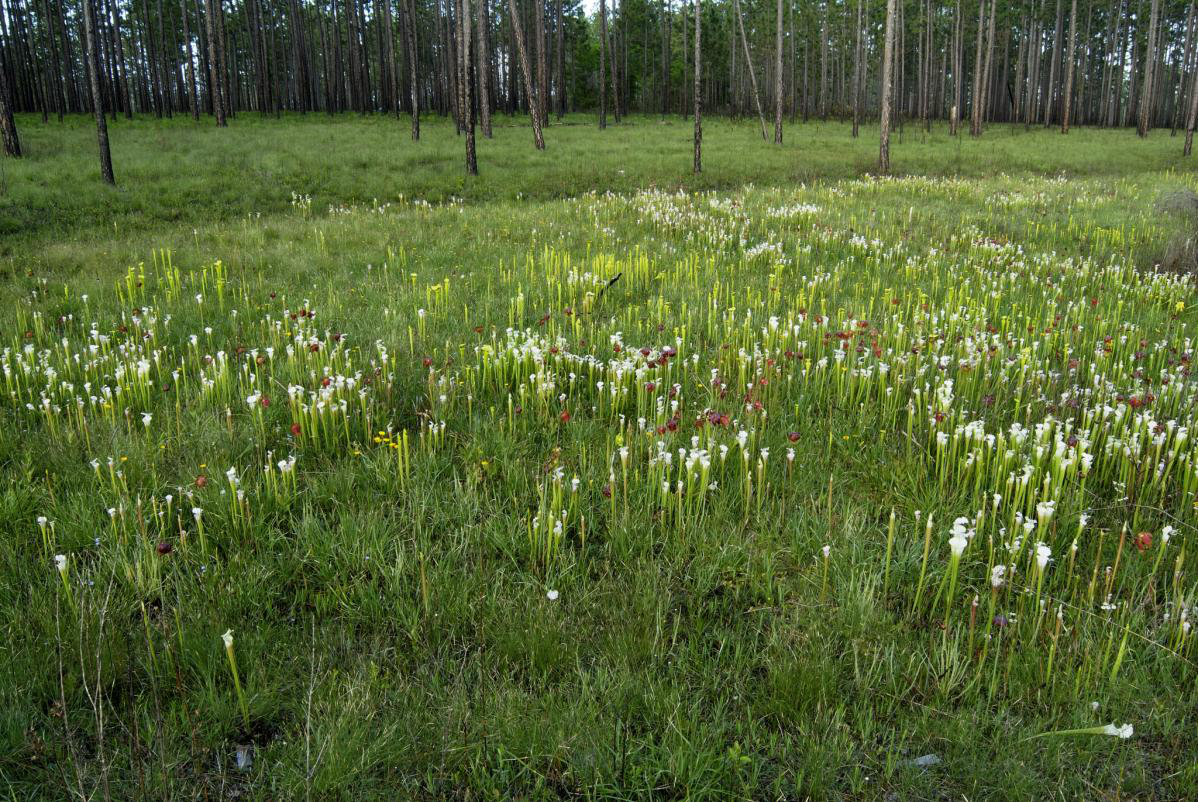
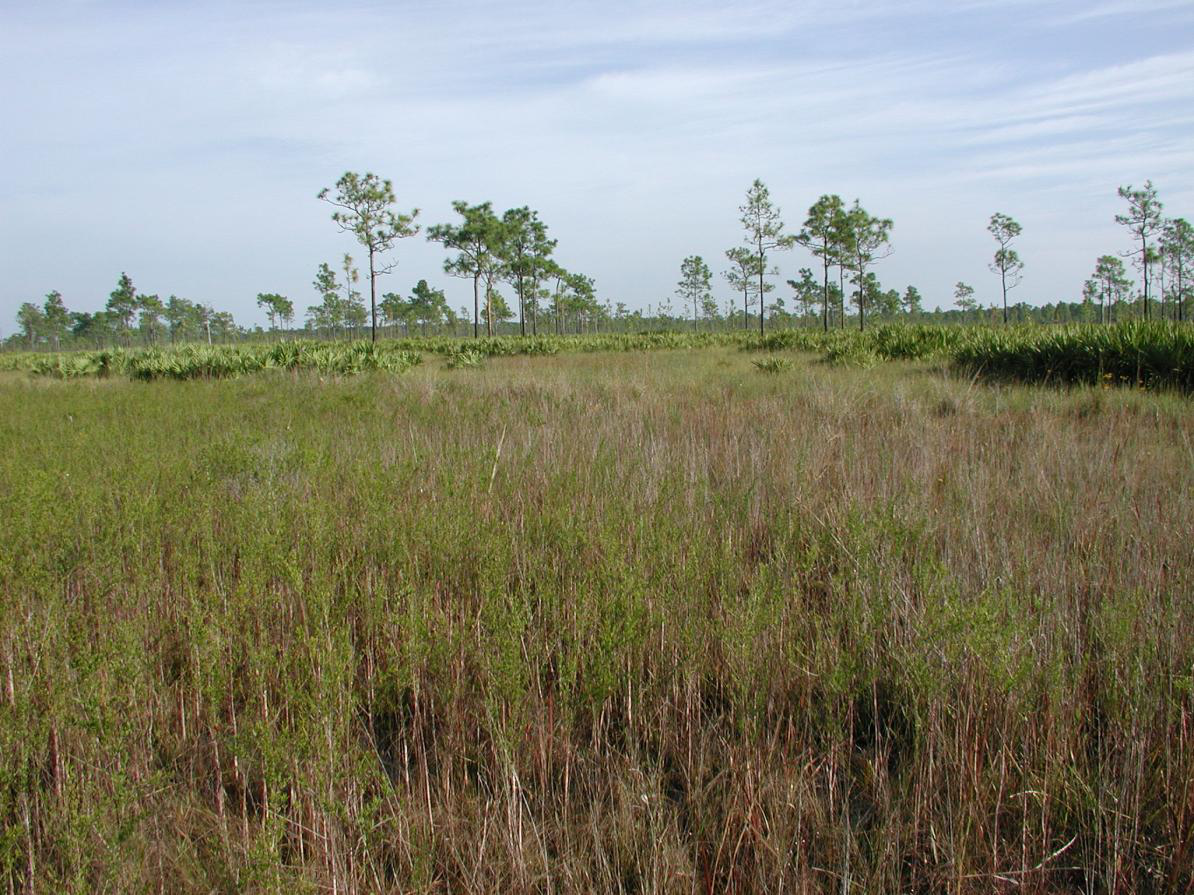
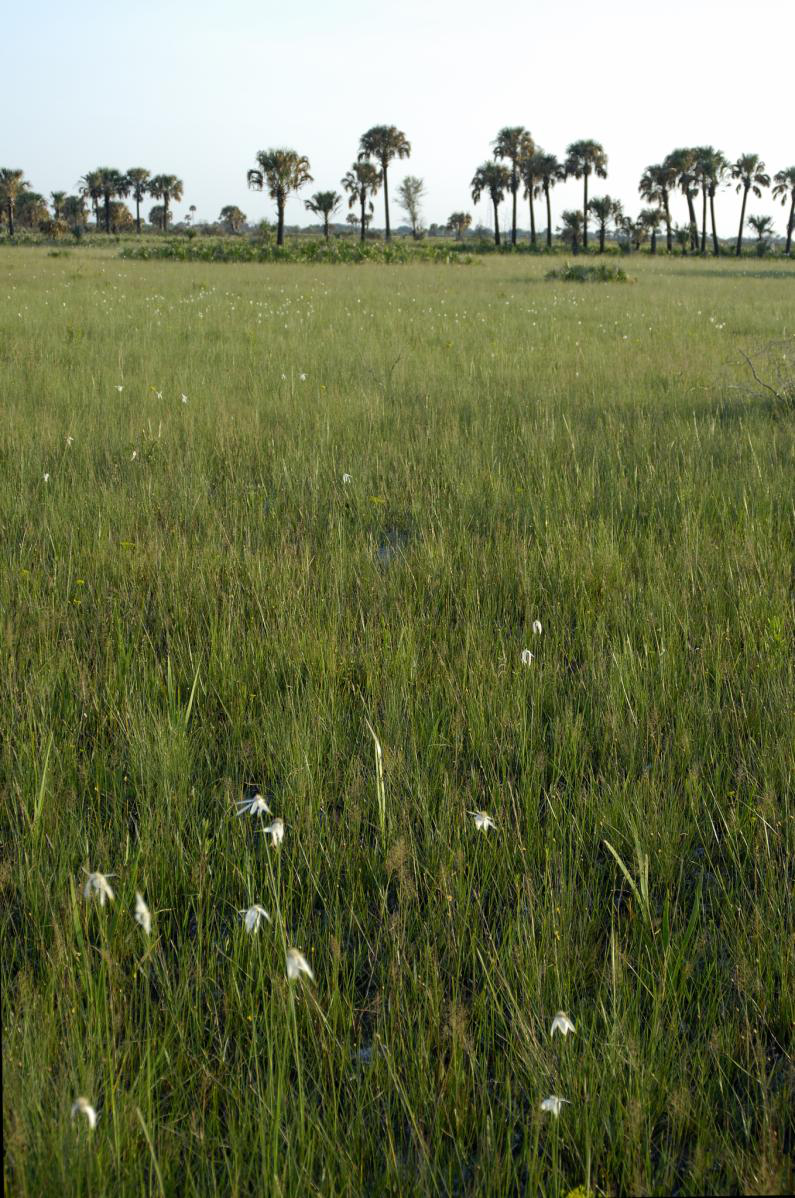
These sun-filled expanses exist in the delicate balance between the flood and the drought, where the ground remains soggy but rarely drowns. It is a shifting garden of wiregrass and wildflowers that waits for the water to recede to bloom, supporting a diversity that rivals the tropical forests.

Where to see it: The vast, open flats of Myakka River State Park or the soggy margins at Starkey Wilderness Park.

Wet Flatwoods

Wet Flatwoods

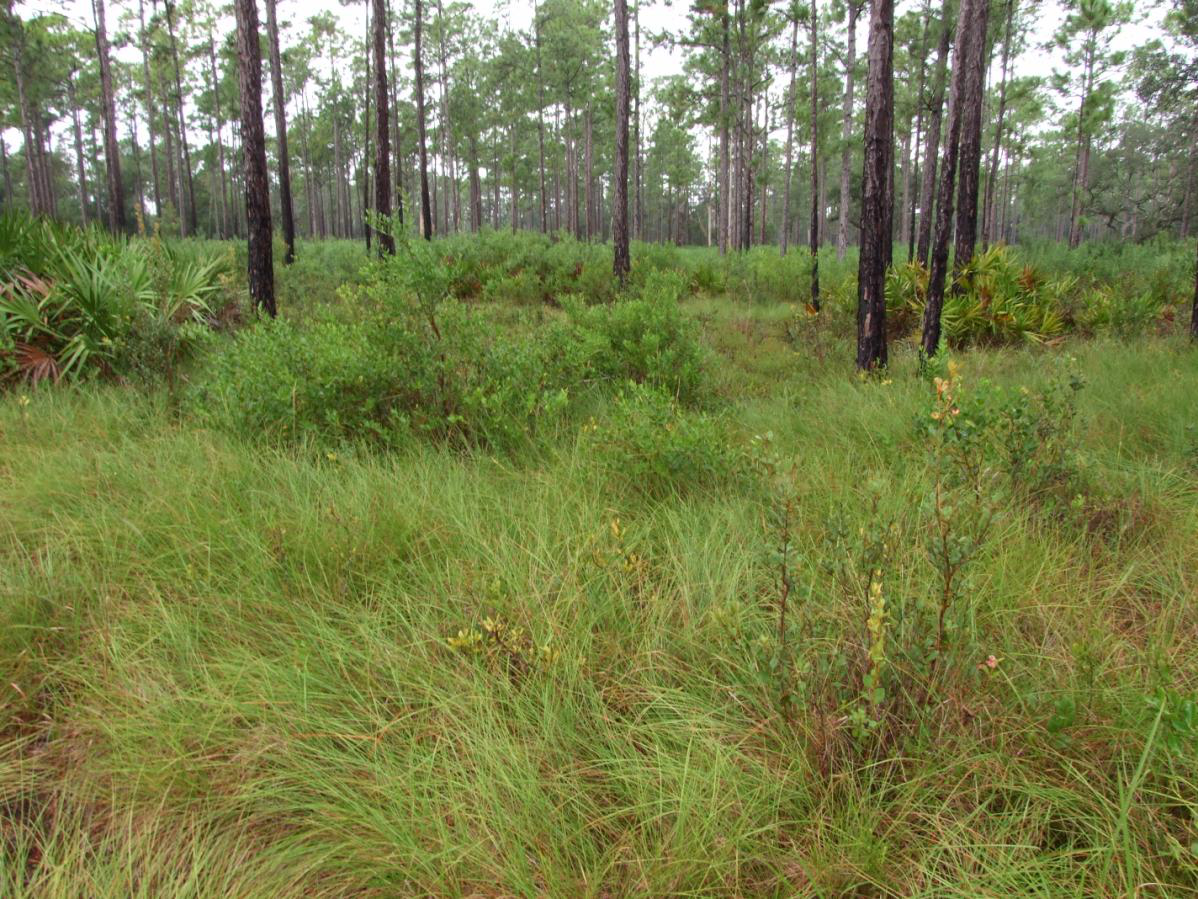
A pine forest with wet feet, where the water table hovers just below the surface to support a canopy of slash or pond pine. This landscape is shaped by the tension between the soak of the summer rains and the scorch of the dry season fire.

Where to see it: The low pine islands of Starkey Wilderness Park or the hydric pine flatwoods of Brooker Creek Preserve.

Upland Pine

Upland Pine

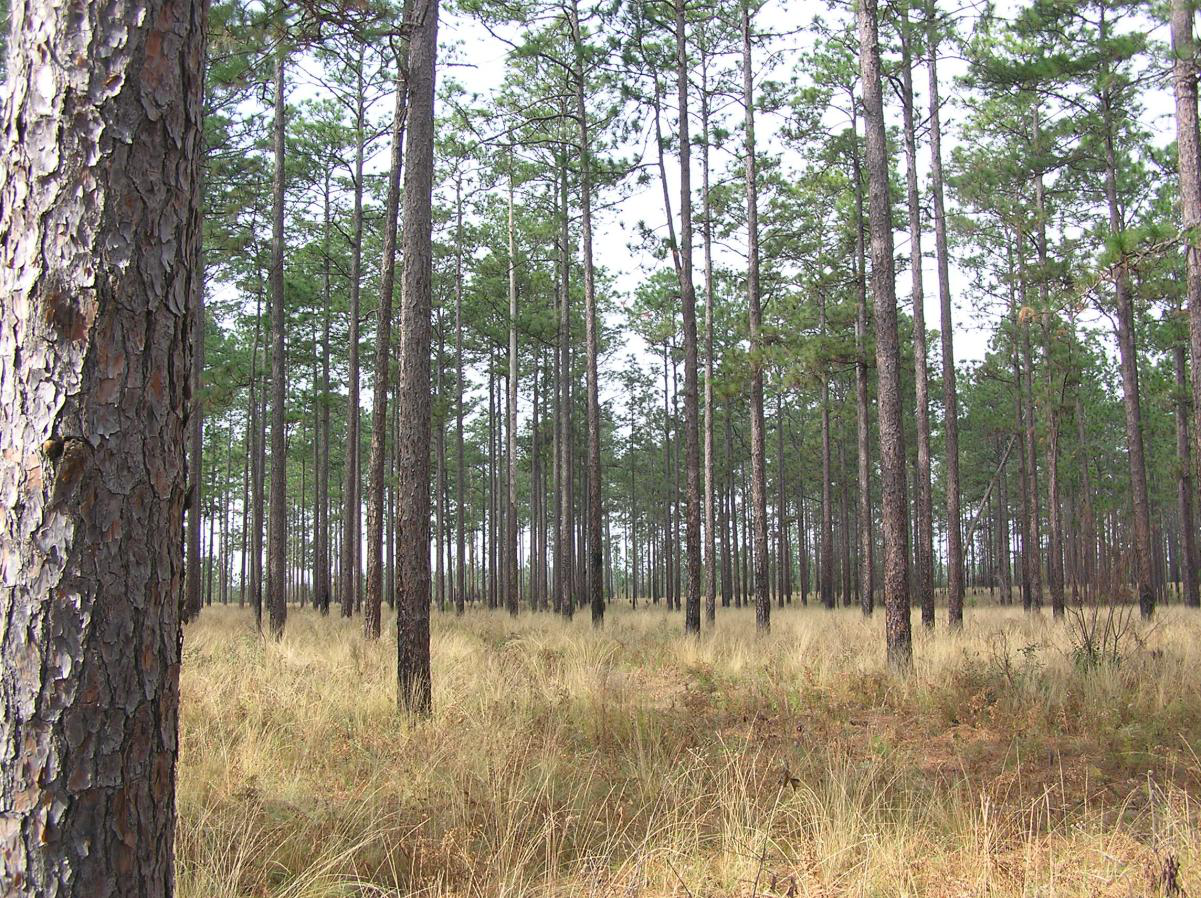
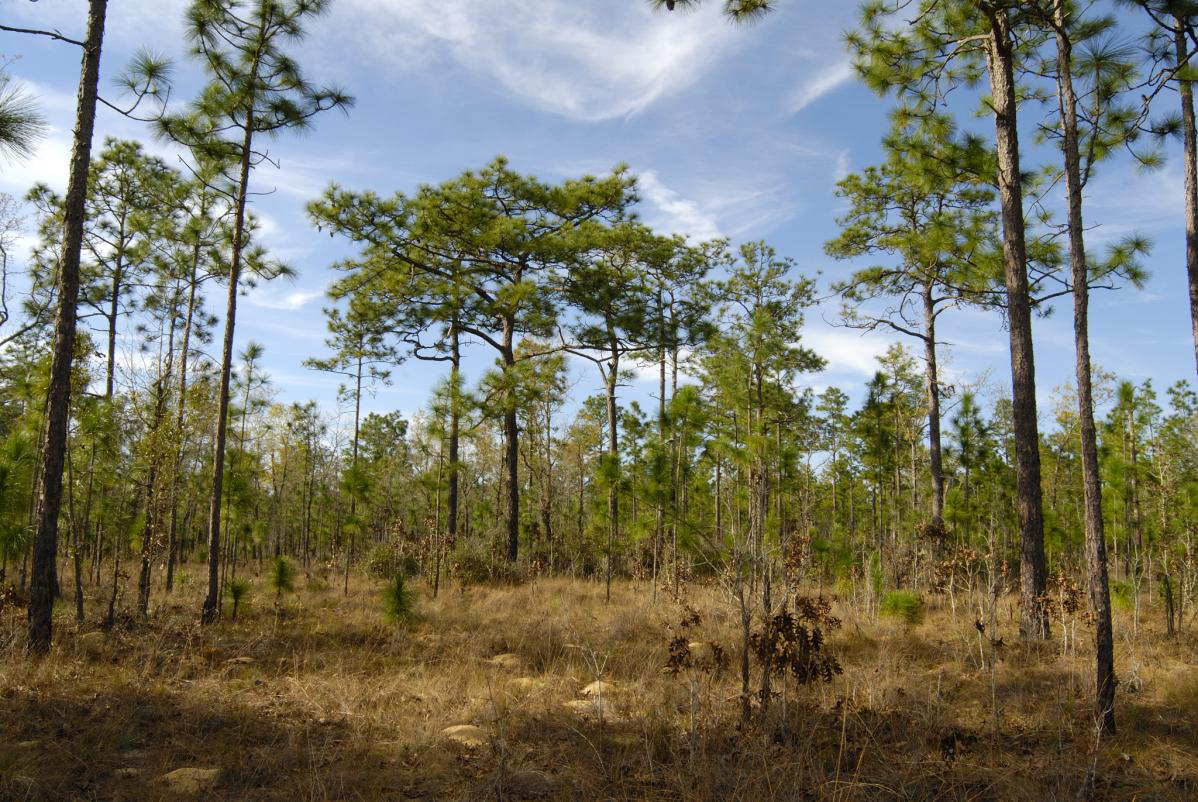
On rolling hills, widely spaced longleaf pines stand over a diverse carpet of wiregrass, maintained by the frequent cleansing of fire. This is a landscape of light and air, where the canopy remains open to the sky.

Where to see it: Rare in Tampa; visit the Withlacoochee State Forest (Citrus Tract) to the north to see the rolling clay hills.

Upland Mixed Woodland

Upland Mixed Woodland

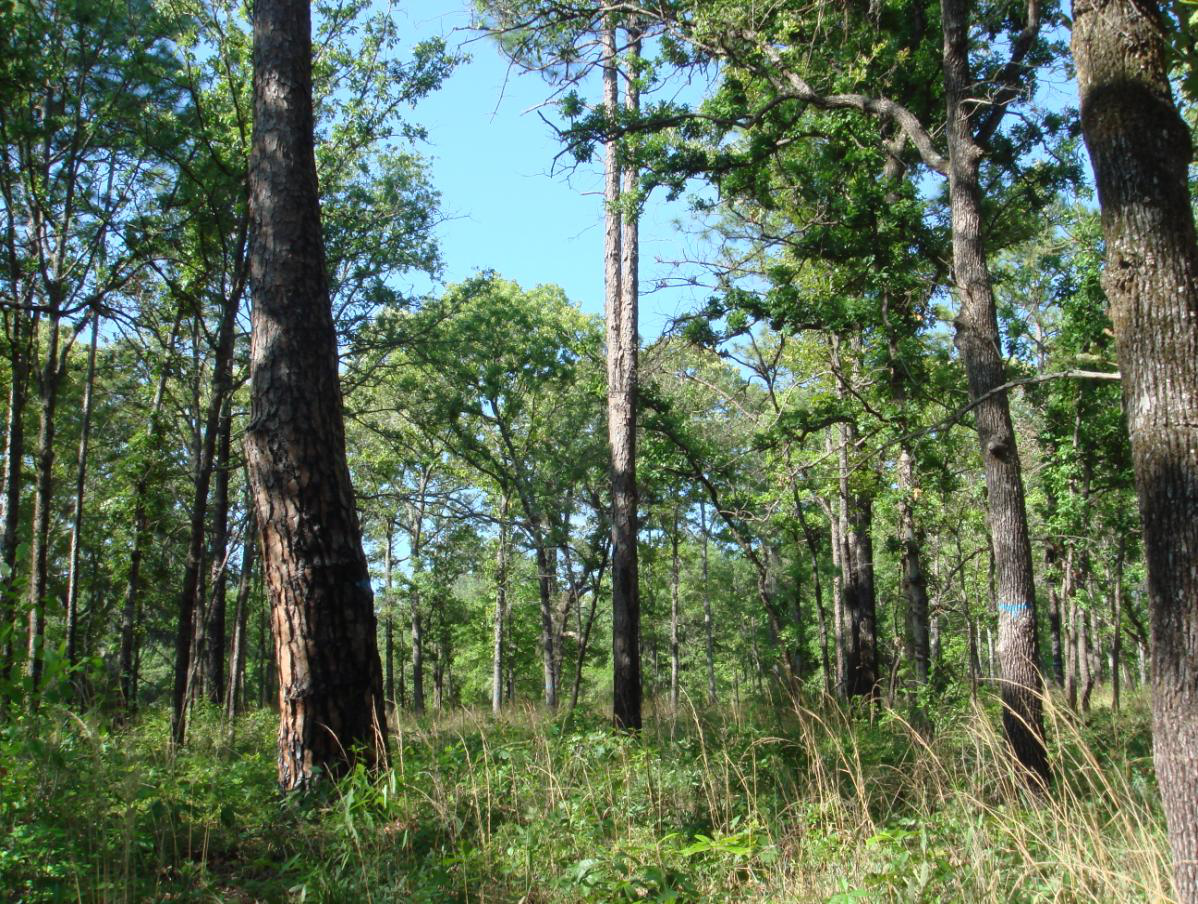
A transition zone where pines and southern red oaks share the canopy in an open, park-like setting. It is a landscape of balance, where fire keeps the understory clear and allows grasses to flourish between the hill and the hammock.

Where to see it: The ecotones of Withlacoochee State Forest offer the nearest glimpse of this transitional community.

Upland Hardwood Forest

Upland Hardwood Forest

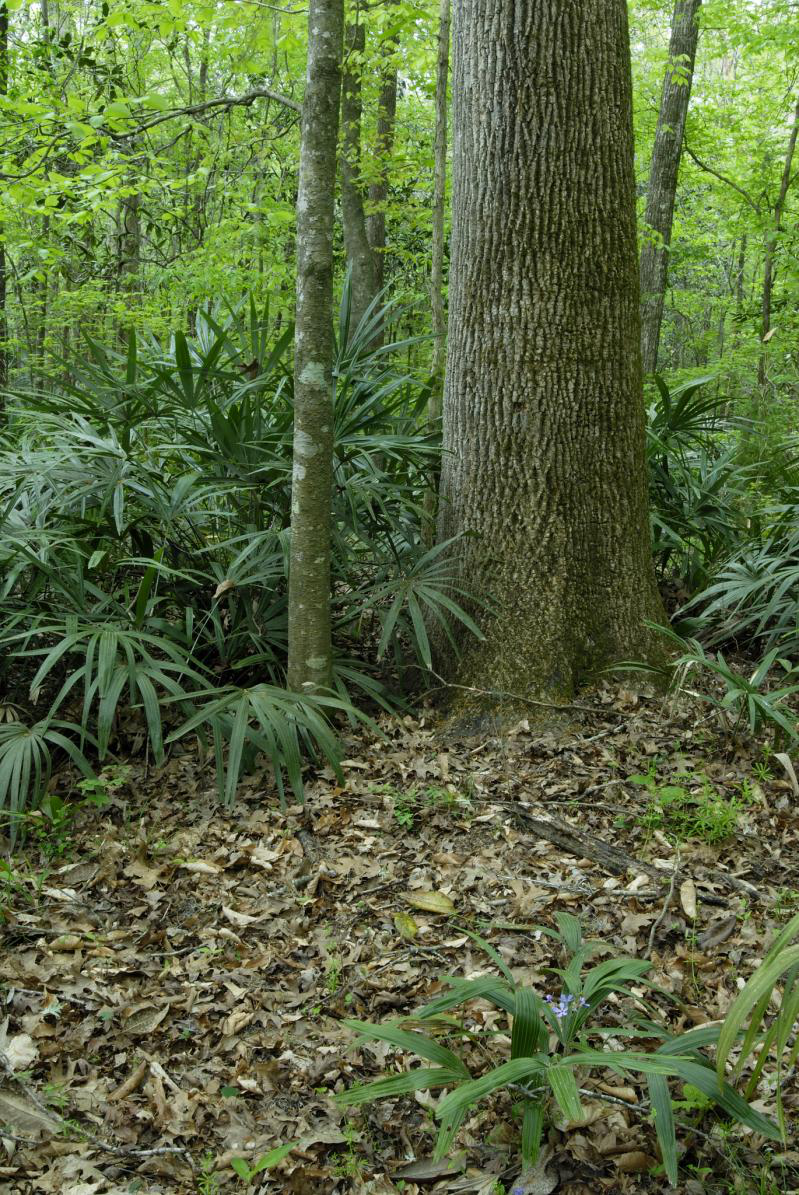
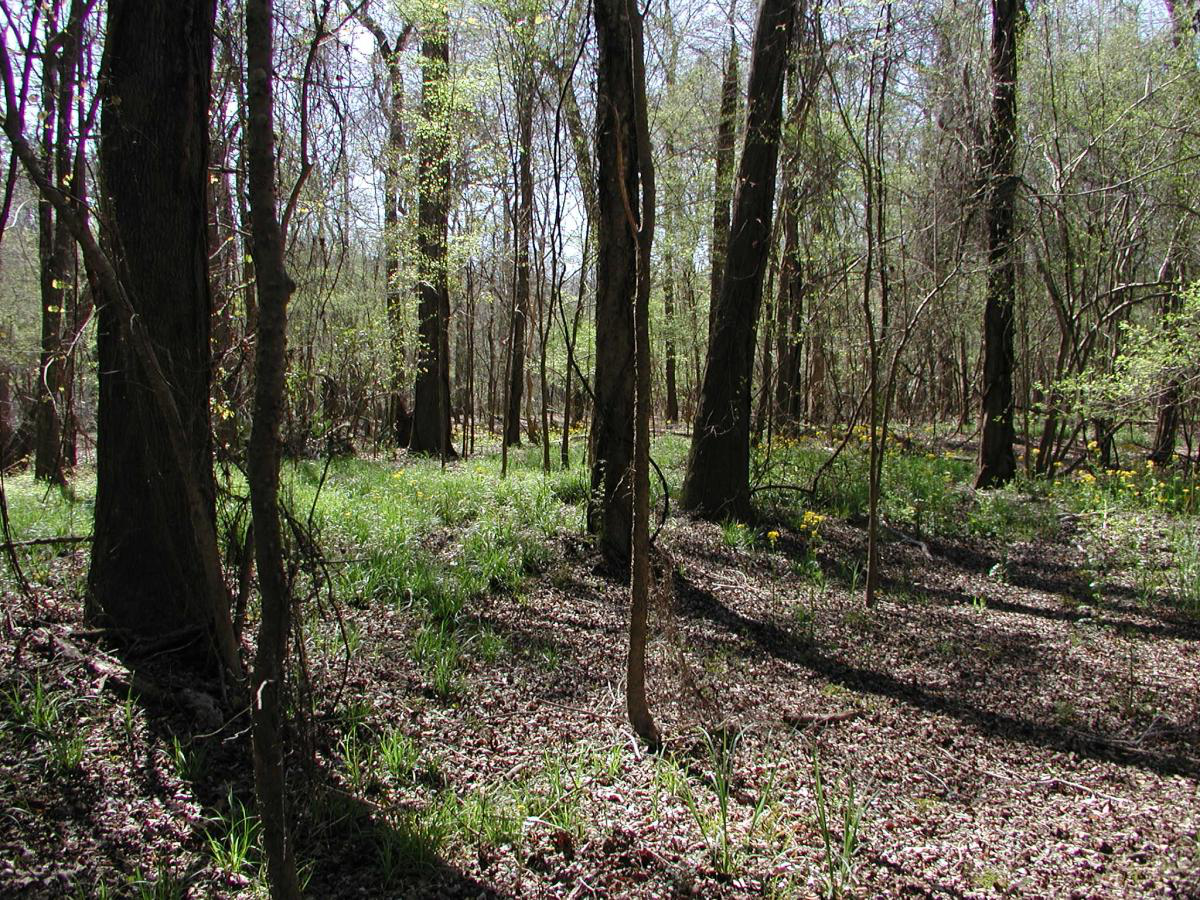
A stately, closed-canopy forest where hardwoods like magnolia and hickory create deep shade and rich soil. Protected from fire, these trees grow tall and permanent, holding the earth in place with deep roots.

Where to see it: The shaded ravines of Withlacoochee State Forest.

Upland Glade

Upland Glade

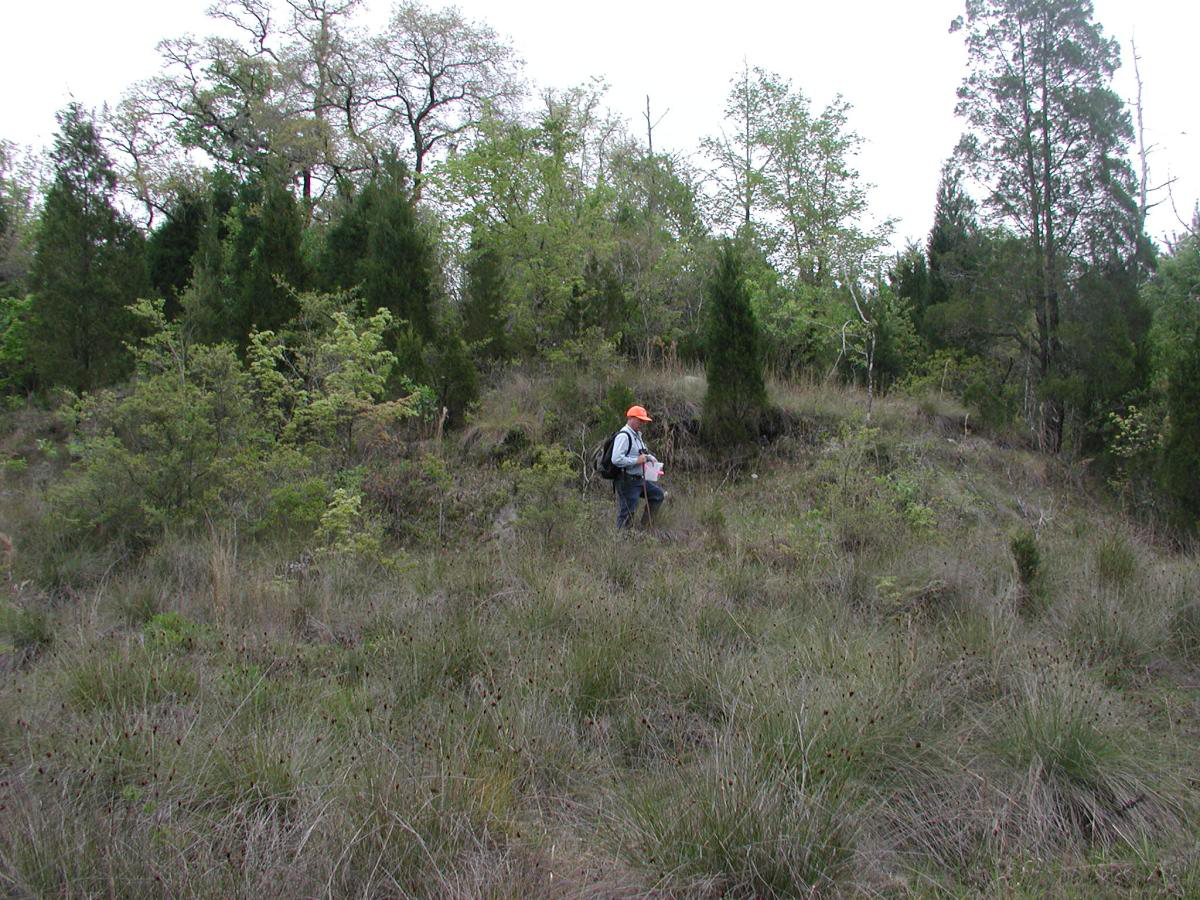
Small, grassy openings where the limestone bedrock breaks the surface, creating a harsh, sun- baked environment. These rare patches support delicate herbs that thrive on the calcium-rich rock, existing only where the soil is too thin for trees.

Where to see it: This community is found primarily in the Florida Panhandle and is not present in the Tampa Bay area.

Strand Swamp

Strand Swamp

A linear forest of cypress growing in a limestone trough, where water flows imperceptibly through the shadows. This flowing swamp connects the landscape, acting as a slow-moving river of trees that filters the water before it reaches the coast.

Where to see it: The headwaters of the Withlacoochee River in the Green Swamp.

Slough Marsh

Slough Marsh

A broad channel of grass moving water slowly through the flat landscape, shifting from dry meadow to flowing wetland with the seasons. It acts as the landscape’s drain, collecting rainfall and guiding it gently toward the river.

Where to see it: The grassy drainages within Myakka River State Park.

Slough

Slough

The deepest veins of the wetland, where water moves so slowly it seems to stand still, lined by pop ash or pond apple. These open avenues are the lifeblood of the swamp, offering a final refuge for fish and alligators when the surrounding marsh dries to dust.

Where to see it: Along the floodplain of the Hillsborough River.

Slope Forest

Slope Forest

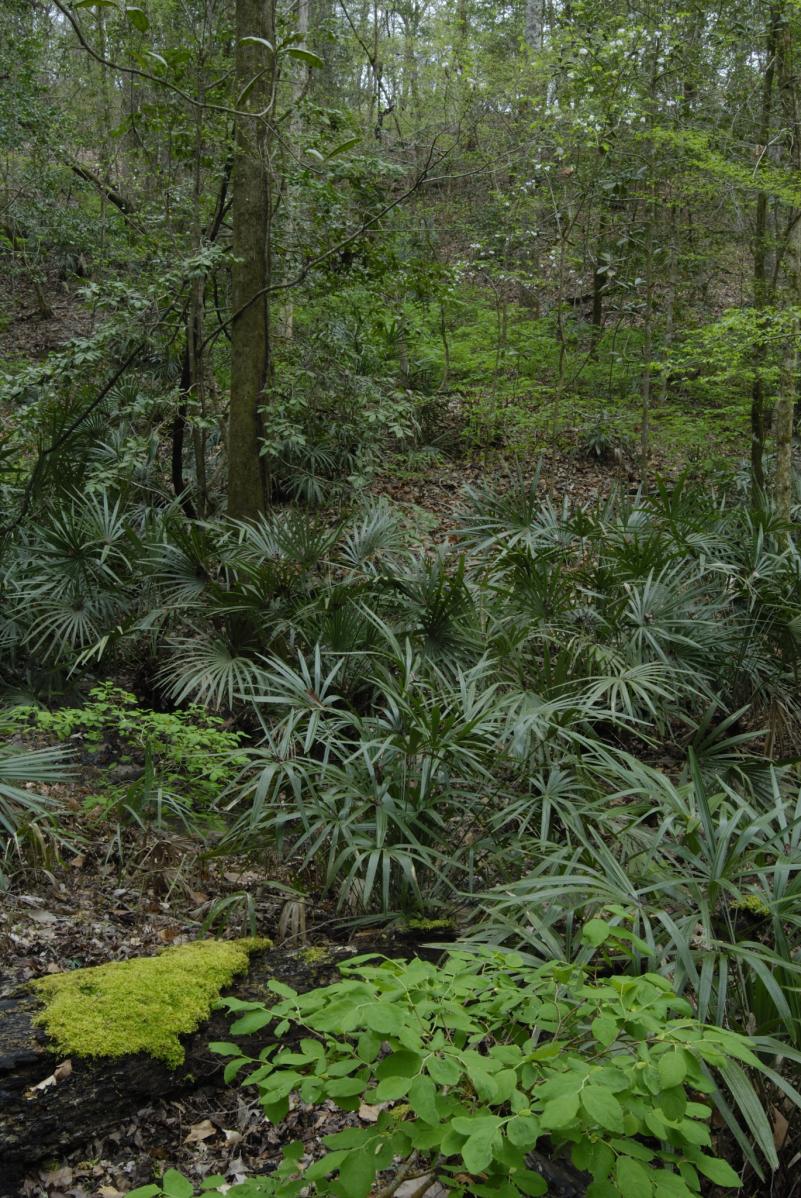
In deep, shaded ravines, cool microclimates allow northern hardwoods to mix with southern evergreens on steep inclines. It is a landscape of steep refuge, preserving biological diversity in the shadows.

Where to see it: Restricted to the Apalachicola River region; not found near Tampa.

Sinkhole

Sinkhole

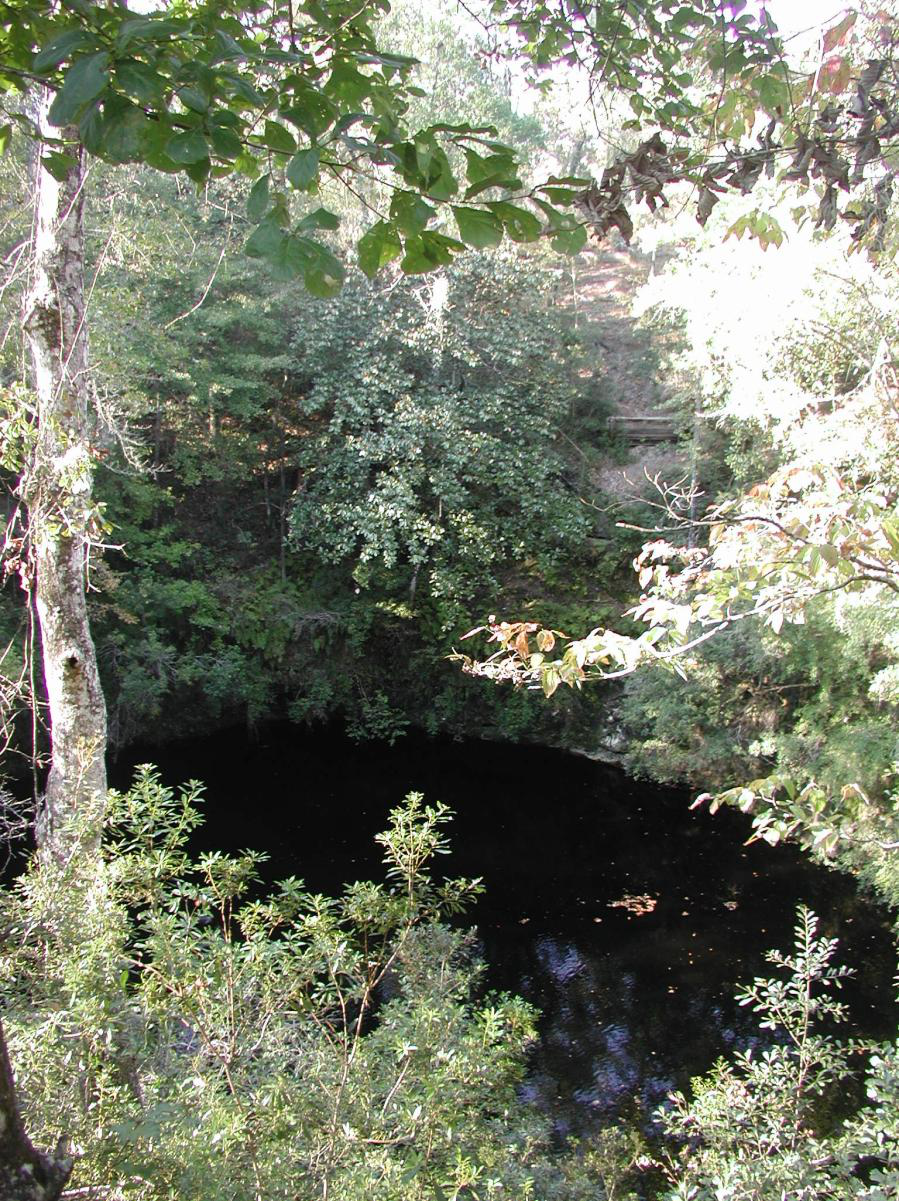
A window into the earth’s aquifer, where the ground has collapsed to reveal a cool, shaded microclimate. These limestone depressions shelter delicate ferns from the drying sun, creating a humid oasis in the forest floor.

Where to see it: The karst features within the Lower Hillsborough Wilderness Preserve.

Shrub Bog

Shrub Bog

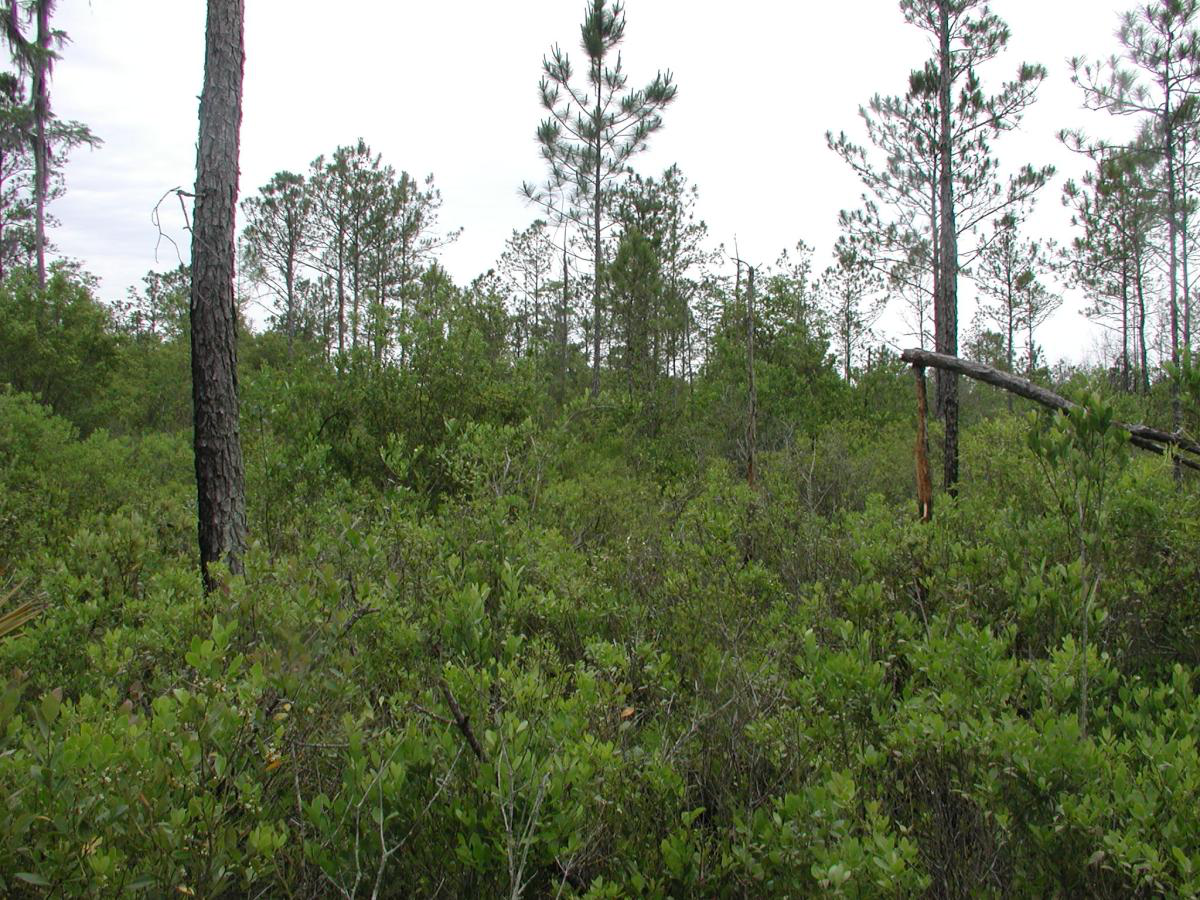
A dense, impenetrable thicket of titi and fetterbush rooted in deep, mucky peat. It is a place of stillness and saturation, where shrubs aggressively reclaim the land in the absence of fire.

Where to see it: Rare in this region; look to the Green Swamp for similar shrub-dominated wetlands.

Shell Mound

Shell Mound

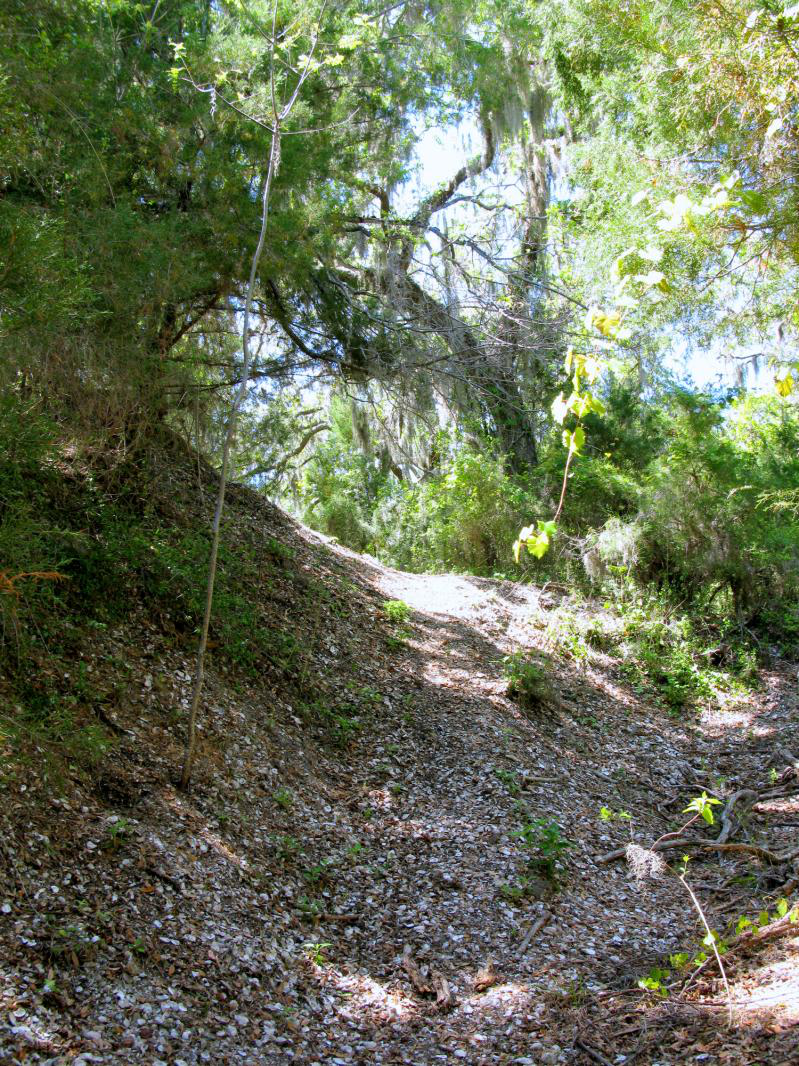
Hills built by ancient hands from discarded shells, now supporting a unique forest of calcium- loving plants. These anthropogenic ridges rise from the coast, a testament to civilizations that lived in rhythm with the estuary.

Where to see it: The ancient mounds at Madira Bickel Mound State Archaeological Site or Emerson Point Preserve.

Seepage Slope

Seepage Slope

On steep hillsides, groundwater trickles to the surface, creating a boggy oasis in the dry uplands. This constant seep supports carnivorous plants that depend on the water’s unceasing flow.

Where to see it: Mostly in the Panhandle; rare examples may exist in the Green Swamp.

Scrubby Flatwoods

Scrubby Flatwoods

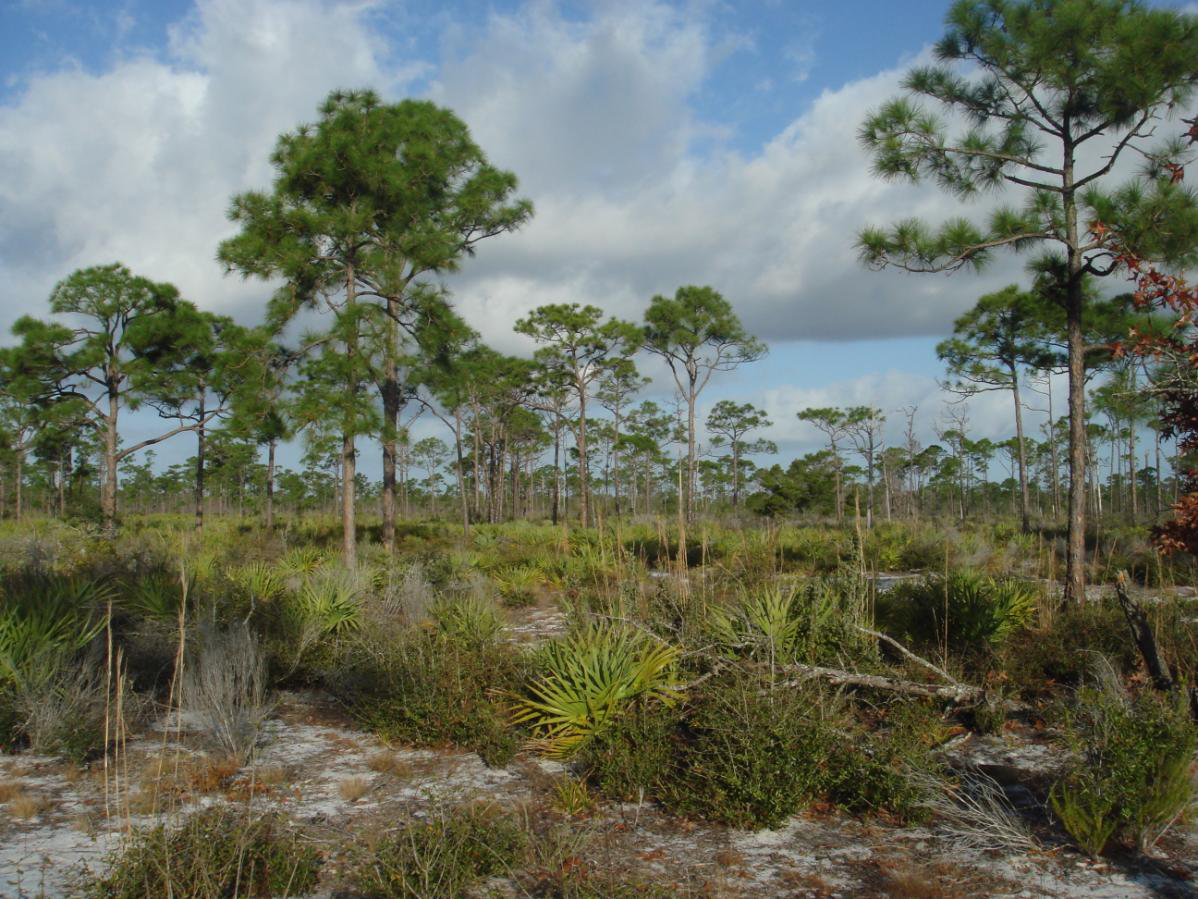
A tension zone between the moist flatwoods and the dry scrub, where scattered pines stand over a thicket of scrub oaks and saw palmetto. Here, plants must tolerate both the wet and the dry, existing on the sandy rises of the flatlands.

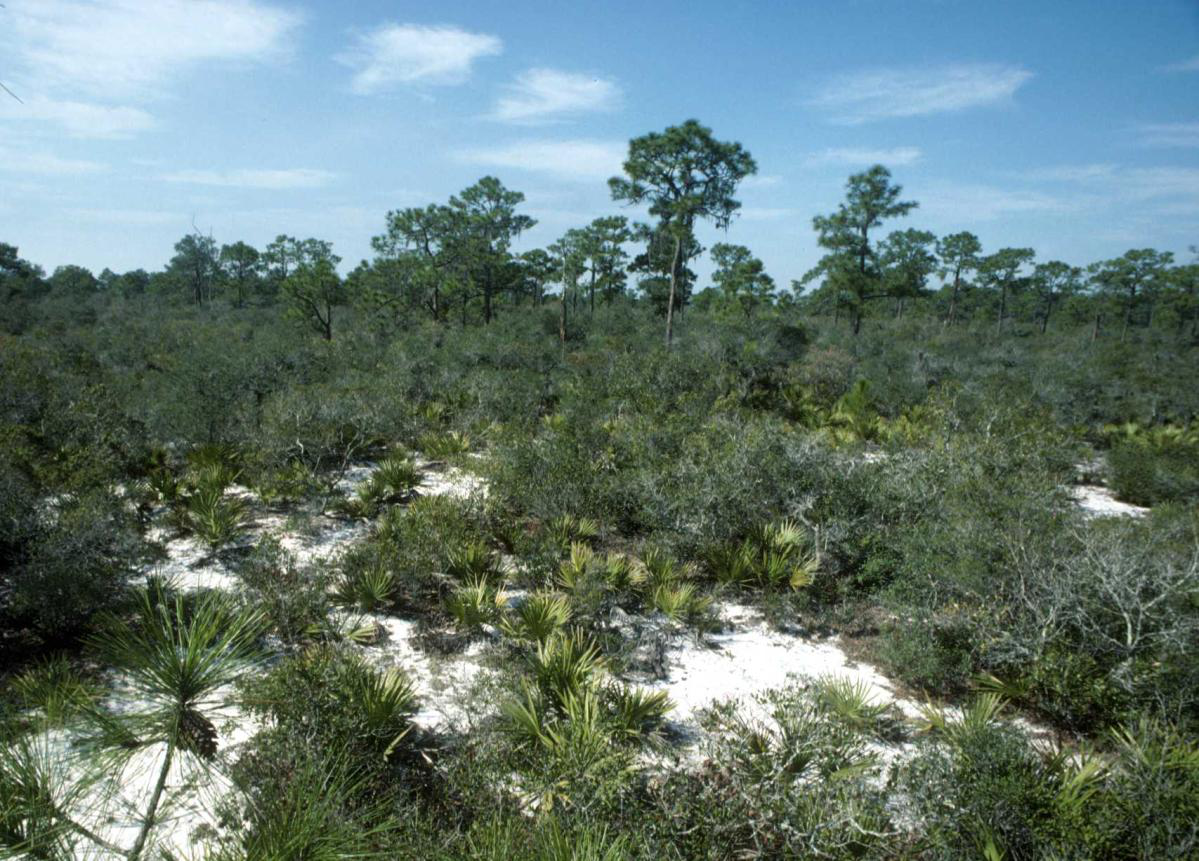
Where to see it: The sandy ridges of Starkey Wilderness Park or Balm-Boyette Scrub.

Scrub

Scrub

On ancient, bone-dry dunes, life is stunted and twisted by the scarcity of water. It is a harsh forest of scrub oaks and rosemary that endures long periods of silence before being renewed by intense fire.

Where to see it: The ancient dunes at Golden Aster Scrub Nature Preserve or Balm-Boyette Scrub.

Sandhill

Sandhill

Rolling hills of deep sand support widely spaced longleaf pines and turkey oaks. It is a sun- washed savanna kept open by fire, where wiregrass holds the sugar-sand in place.

Where to see it: The high ground of Brooker Creek Preserve or the Withlacoochee State Forest.

Salt Marsh

Salt Marsh

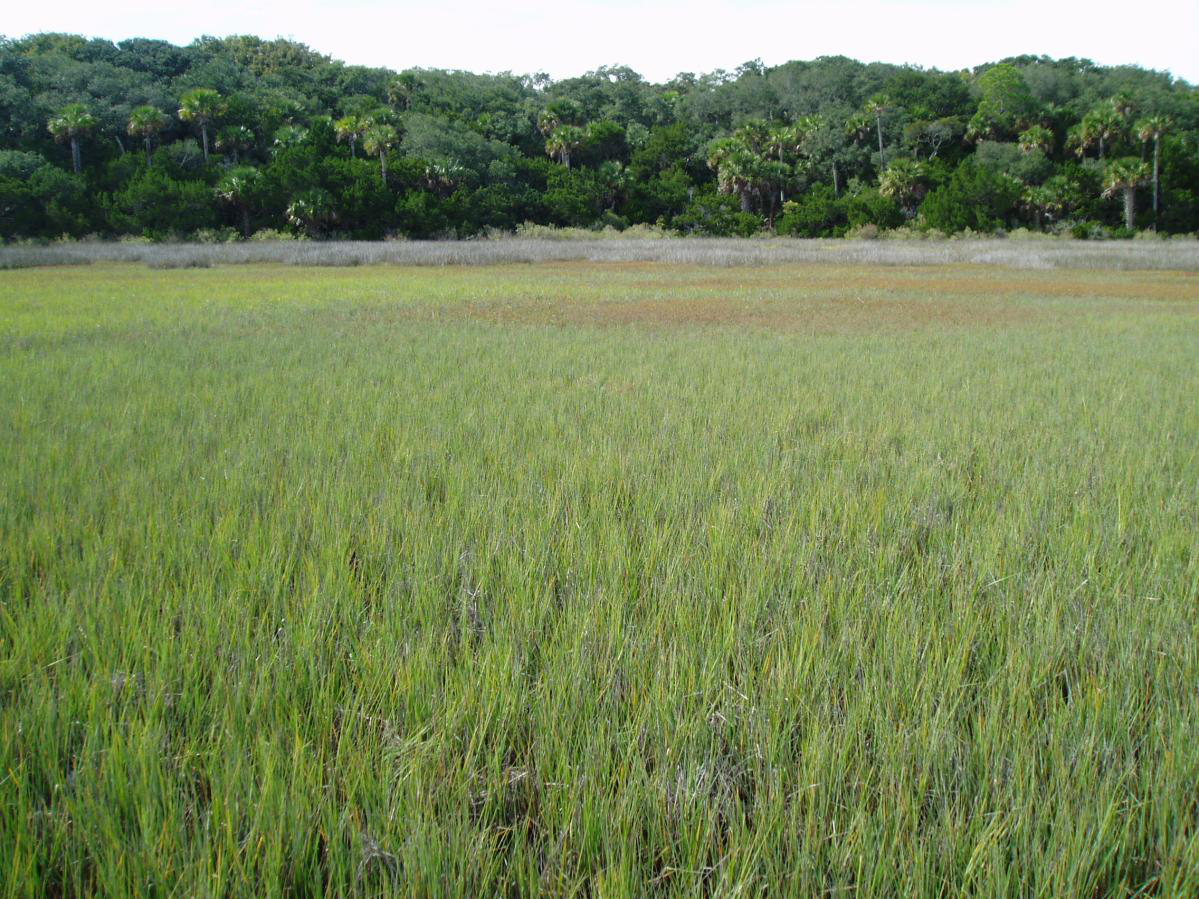
A vast expanse of cordgrass and needle rush that drinks the tide twice a day. This is the liquid land where the boundary between earth and ocean dissolves, fueling the estuary with the energy of decay.

Where to see it: The tidal fringes of Upper Tampa Bay Park or Cockroach Bay Preserve.

Rockland Hammock

Rockland Hammock

A tropical hardwood forest growing on a thin veneer of soil over limestone rock. Inside, the air is still and humid, a green silence protected from the sun and fire.

Where to see it: Found in Miami-Dade and the Keys; not present in Tampa.

Pine Rockland

Pine Rockland

A jagged, rocky terrain where South Florida slash pines root directly into eroded limestone. This fire-dependent garden thrives on sun-baked rock where few other forests could survive.

Where to see it: Restricted to South Florida and the Keys.

Mesic Hammock

Mesic Hammock

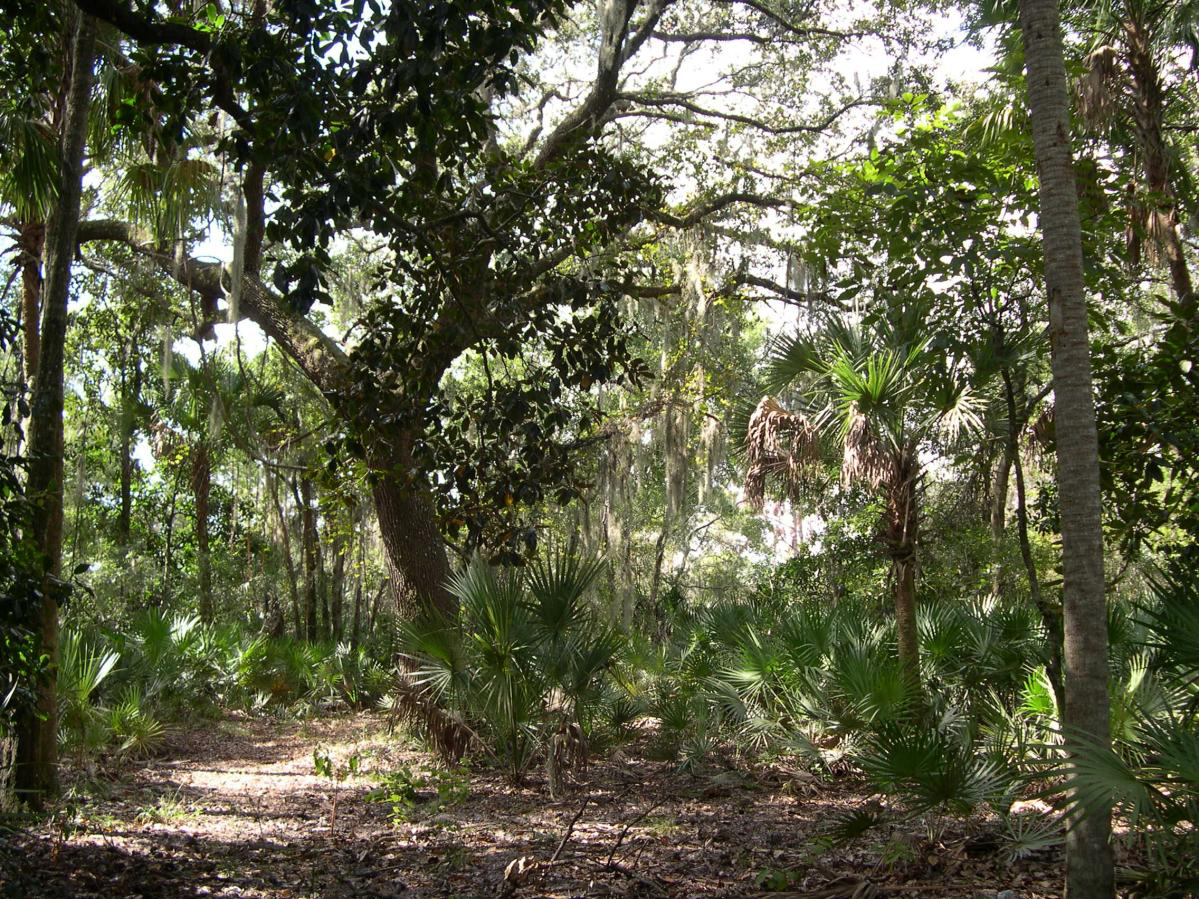
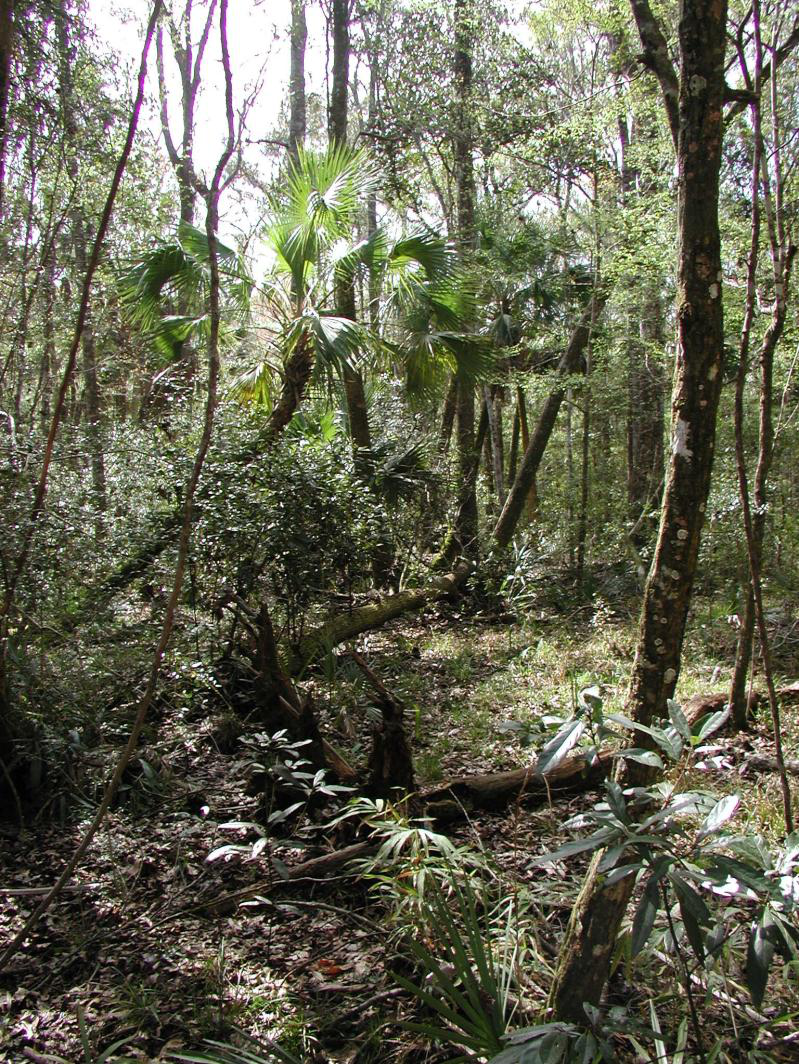
Islands of cool shade in a landscape of sun, these forests of live oak and cabbage palm develop where fire cannot reach. The dense canopy retains moisture, creating a stable sanctuary for ferns and air plants.

Where to see it: The deep woods of Hillsborough River State Park or Philippe Park.

Mesic Flatwoods

Mesic Flatwoods

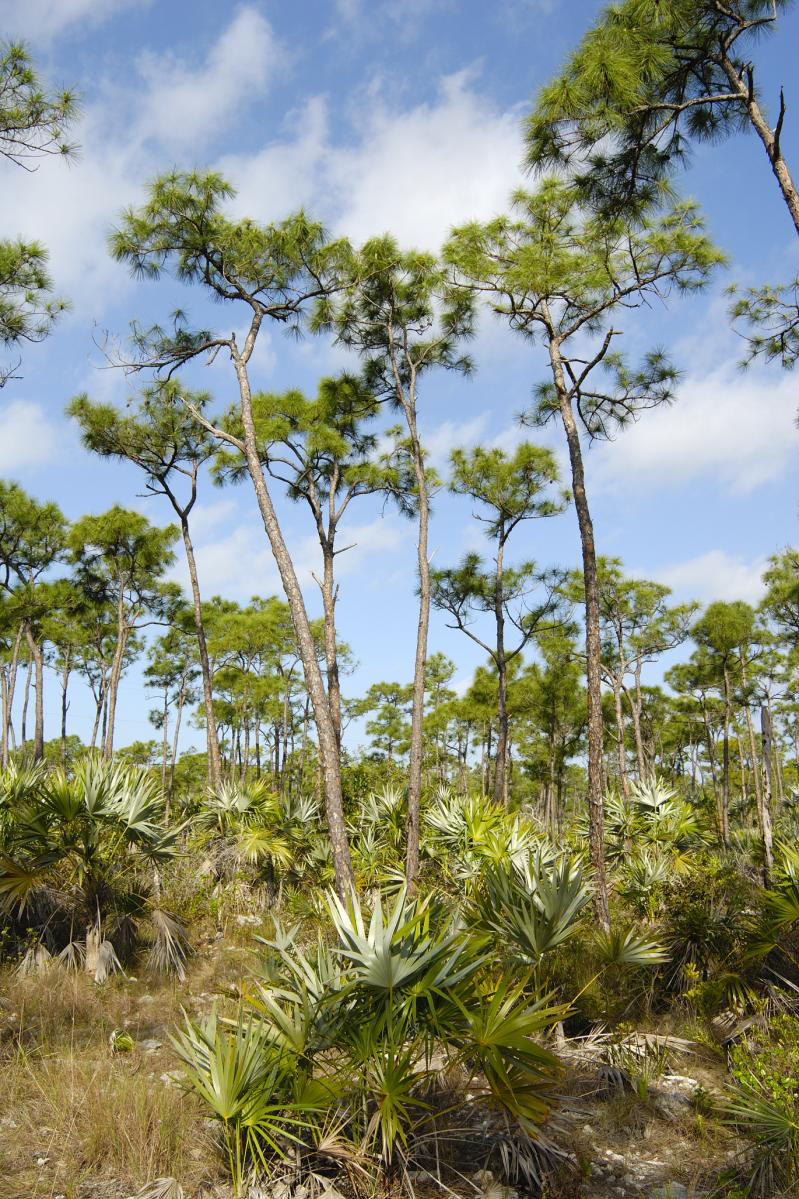
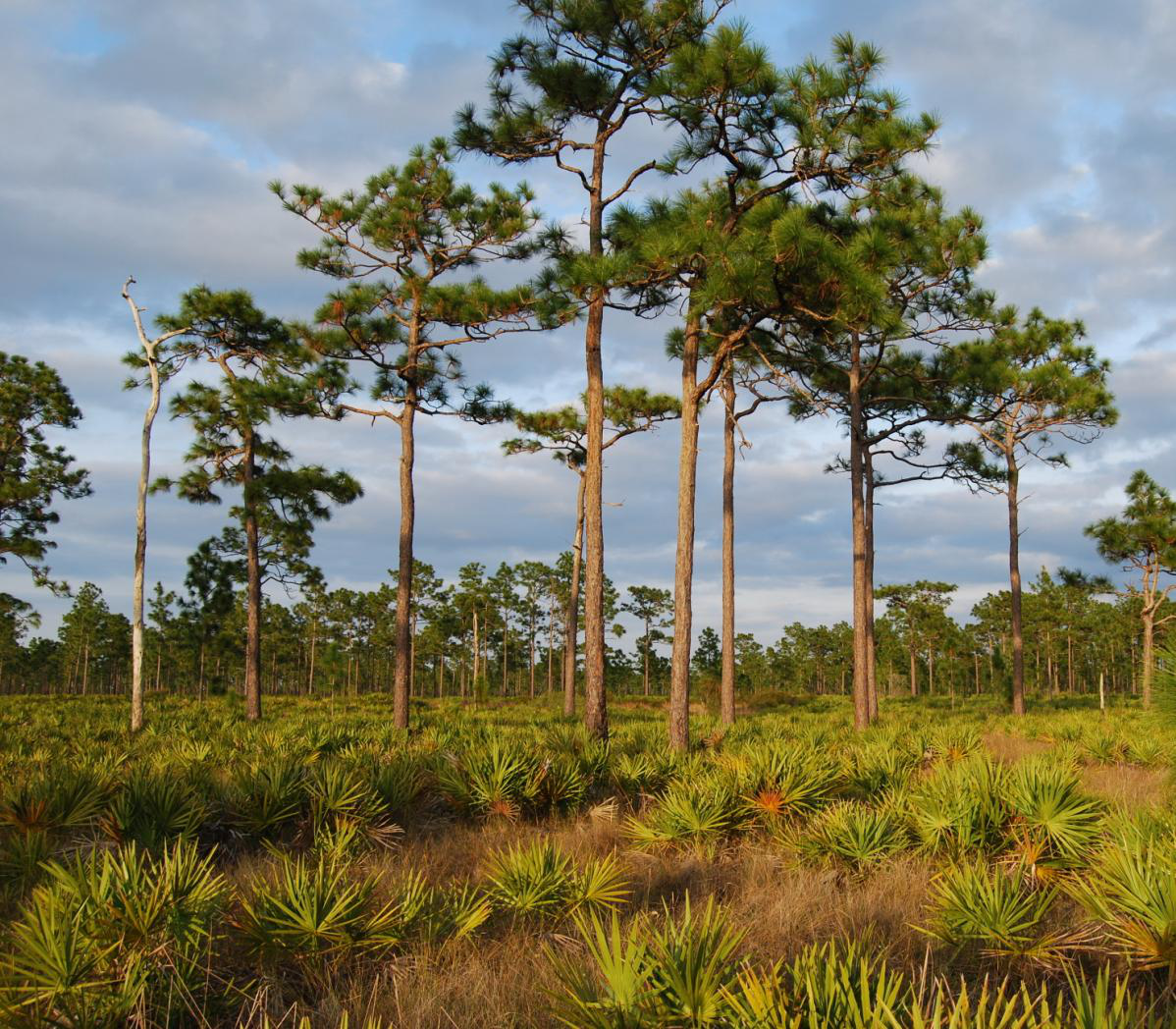
The quintessential landscape where tall pines cast long shadows over a floor of saw palmetto and wiregrass. It is a system built on fire; without the flames, the open, sun-drenched diversity is lost to the shadows.

Where to see it: The vast pine lands of Morris Bridge Wilderness Park or Starkey Wilderness Park.

Marl Prairie

Marl Prairie

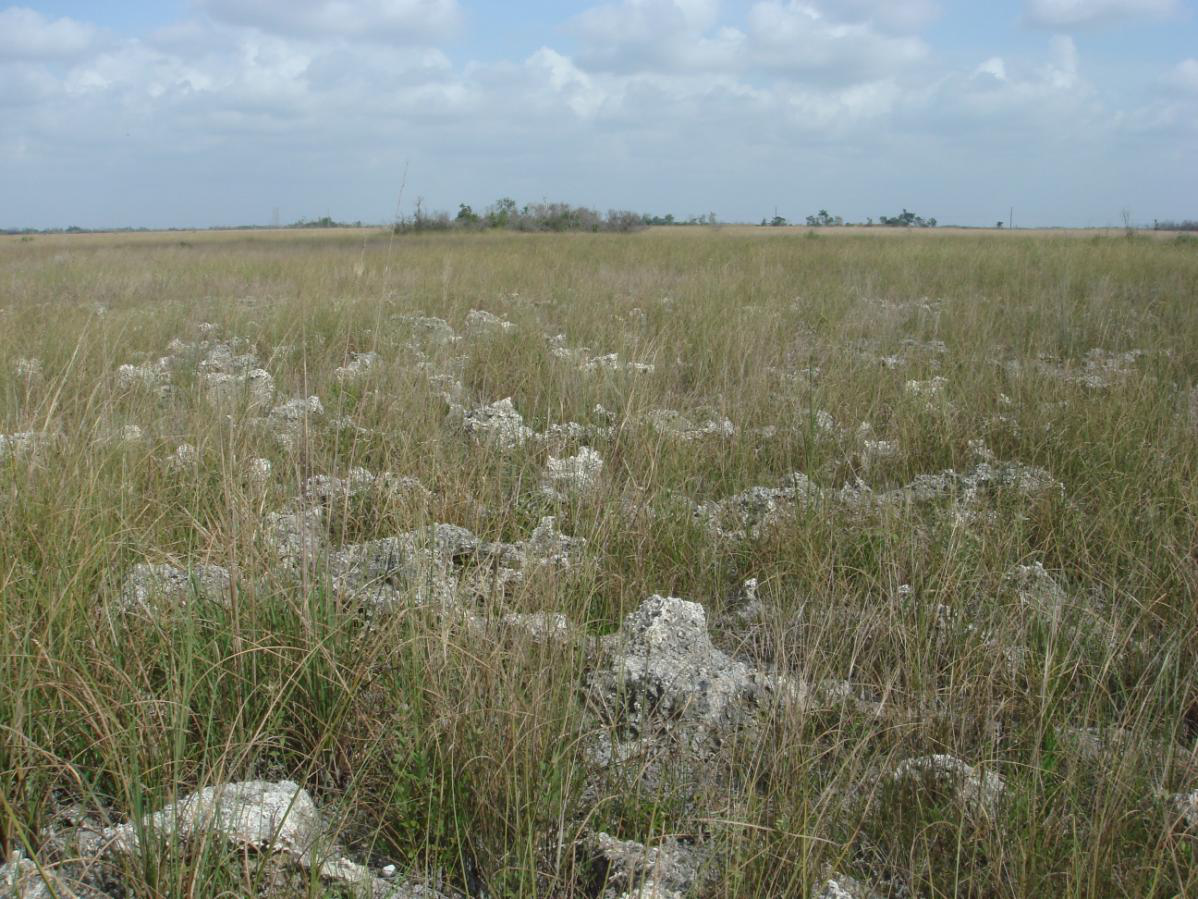
A carpet of grasses growing on a thin layer of calcareous mud that seals off the limestone below. This landscape dries down annually, allowing wildflowers to bloom before the water returns.

Where to see it: Found in the Everglades; not present in Tampa.

Maritime Hammock

Maritime Hammock

On old dunes protected from the salt spray, a canopy of live oak and cabbage palm creates a cool refuge. This forest is sculpted by the wind, its low profile a testament to the power of the sea breeze.

Where to see it: The interior of Anclote Key or remnants at Fort De Soto Park.

Mangrove Swamp

Mangrove Swamp

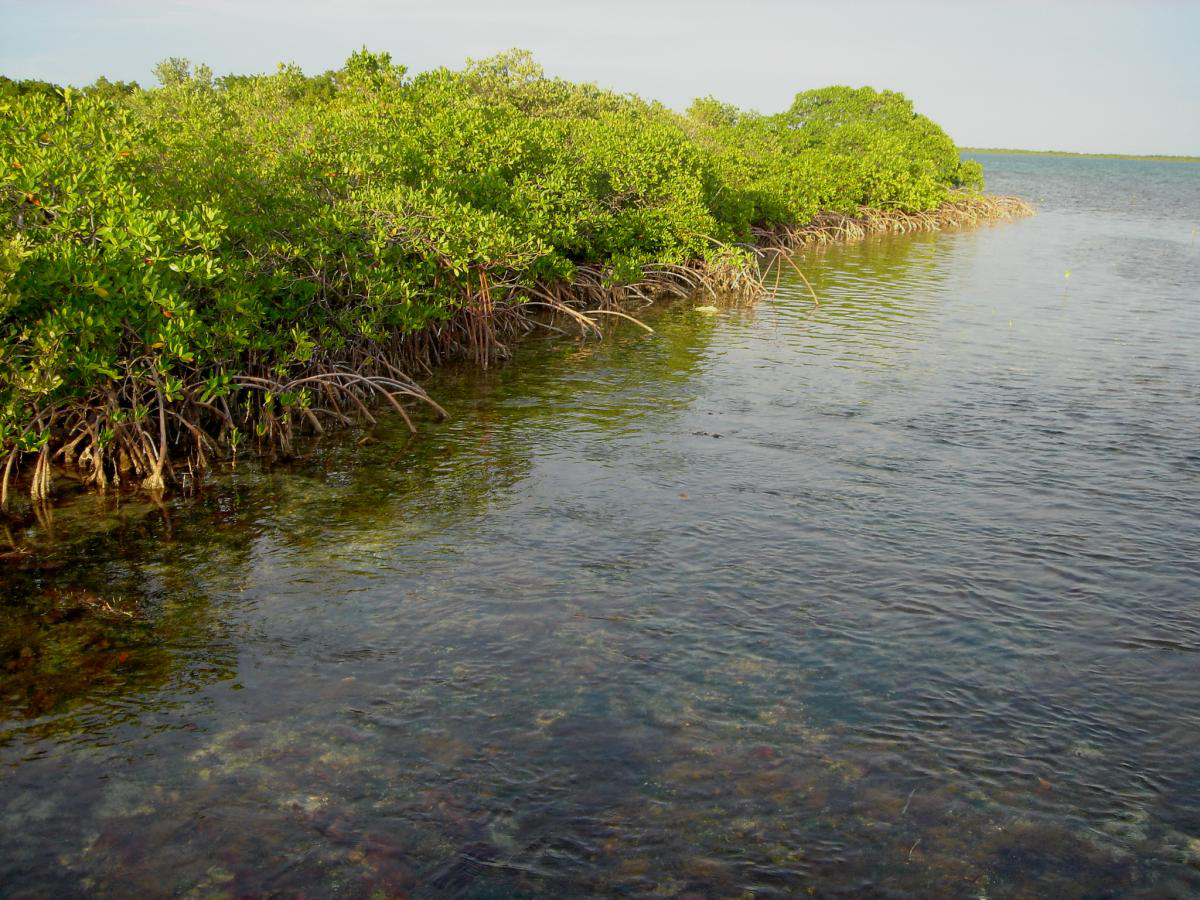
A forest that walks into the sea, trapping sediments in a tangle of prop roots. It is a quiet, horizontal world where falling leaves fuel the aquatic food web and protect the coast from the tides.

Where to see it: The tunnels of Weedon Island Preserve or Upper Tampa Bay Park.

Limestone Outcrop

Limestone Outcrop

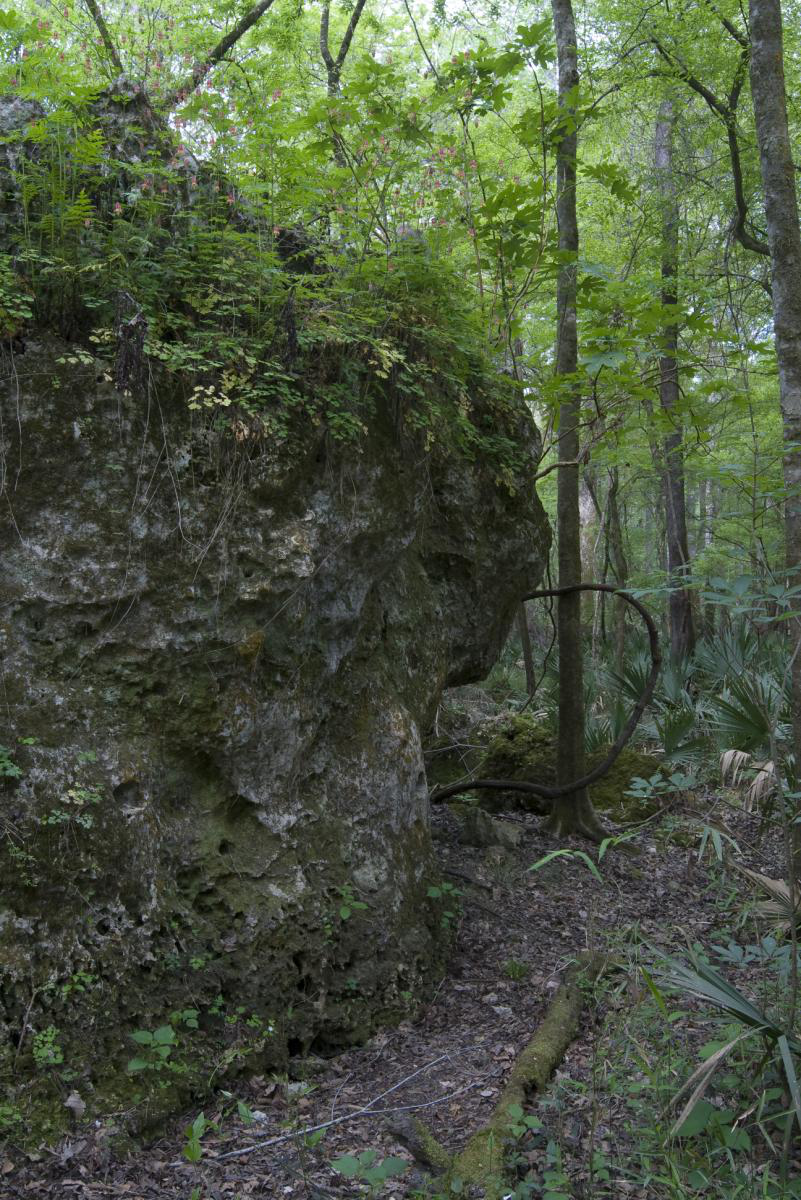
Where the bones of the earth break through the soil, delicate ferns and mosses cling to the cool rock faces. These fragile outcrops offer a moist microclimate protected from the drying sun.

Where to see it: The rock exposures in Withlacoochee State Forest.

Keys Tidal Rock Barren

Keys Tidal Rock Barren

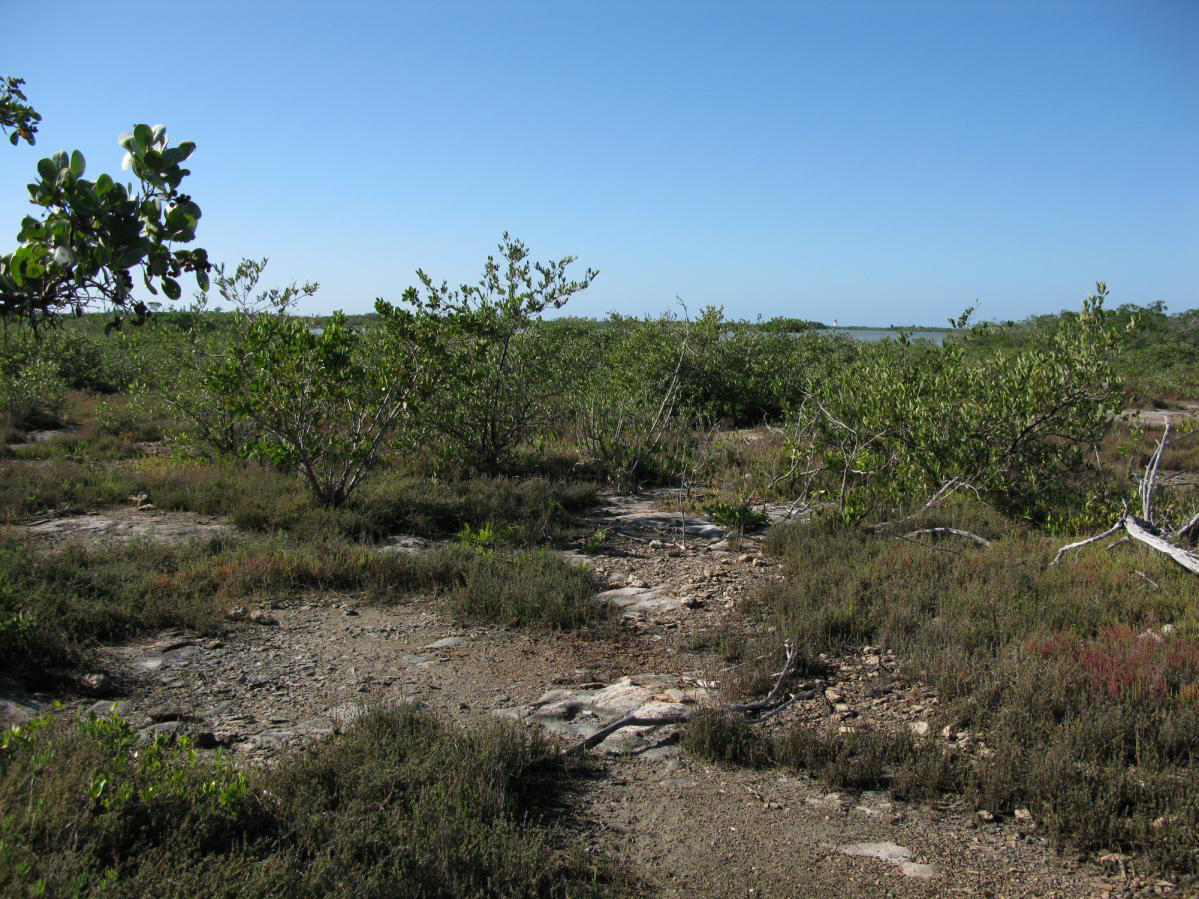
A stark platform of eroded limestone just above the daily tide, washed only by storms. Here, only the hardiest plants persist in the pockets of marl between the white rock.

Where to see it: Found only in the Florida Keys.

Keys Cactus Barren

Keys Cactus Barren

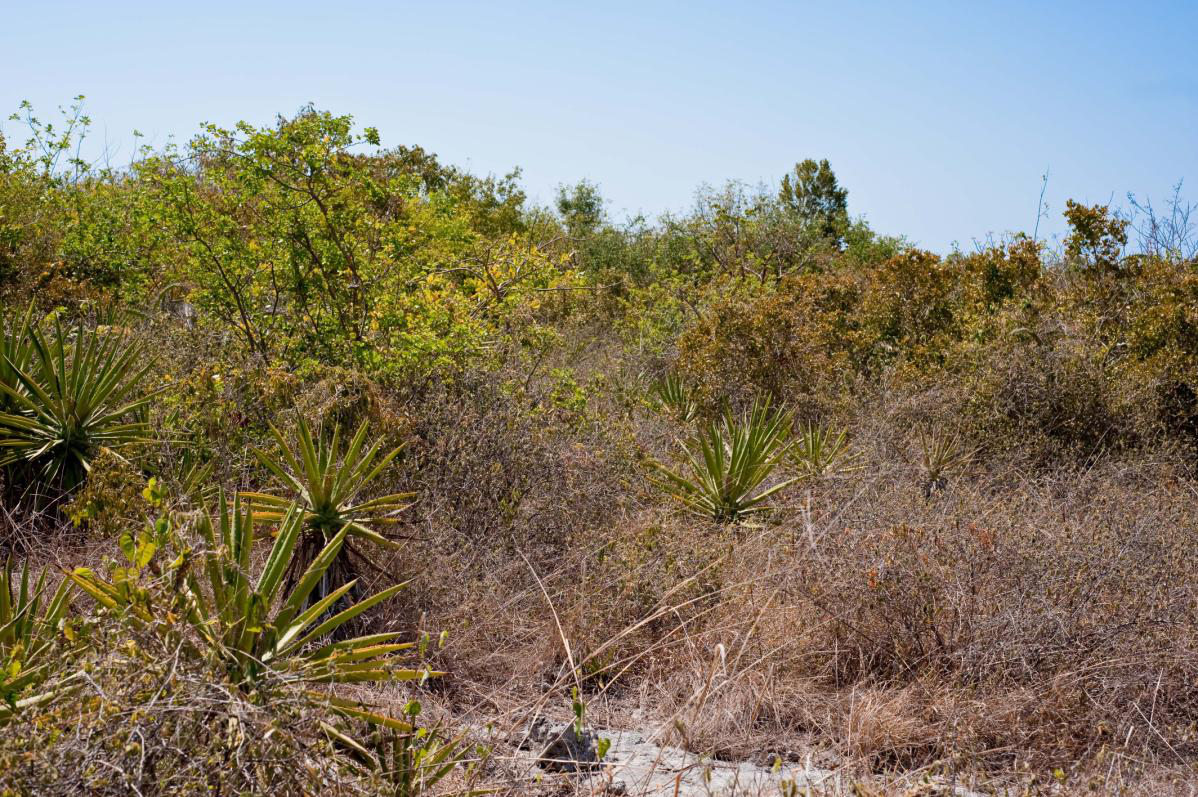
On the sun-baked limestone where soil is scarce, life strips down to its essentials. Cacti and agave cling to the bare rock, thriving in the harsh heat.

Where to see it: Found only in the Florida Keys.

Hydric Hammock

Hydric Hammock

A shady forest of oaks and cabbage palms where the limestone lies just beneath the wet soil. It occupies the margins between swamp and upland, surviving occasional floods with a dense canopy that rarely burns.

Where to see it: The floodplain of the Little Manatee River or Hillsborough River State Park.

Glades Marsh

Glades Marsh

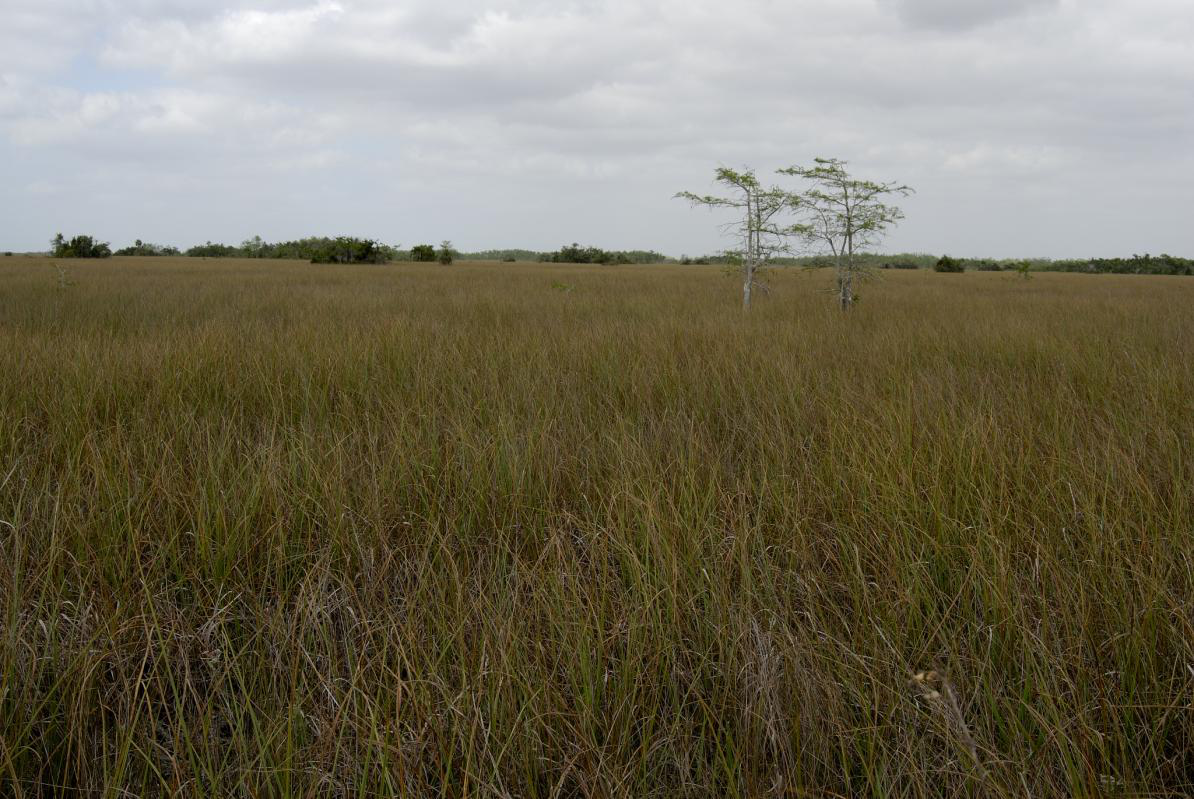
The true River of Grass, a boundless sheet of water moving imperceptibly over peat and limestone. Here, sawgrass and sky merge, dependent on the slow flow of water to keep the landscape alive.

Where to see it: The Everglades; not present in Tampa.

Floodplain Swamp

Floodplain Swamp

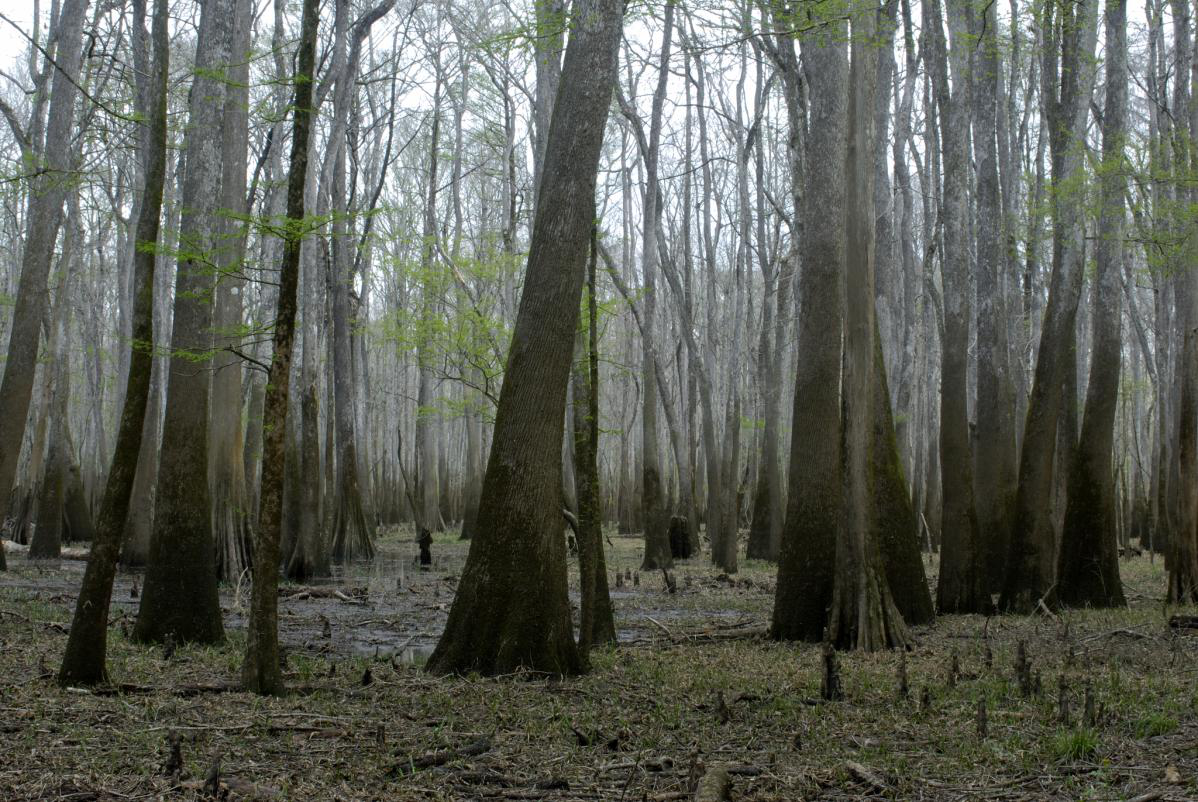
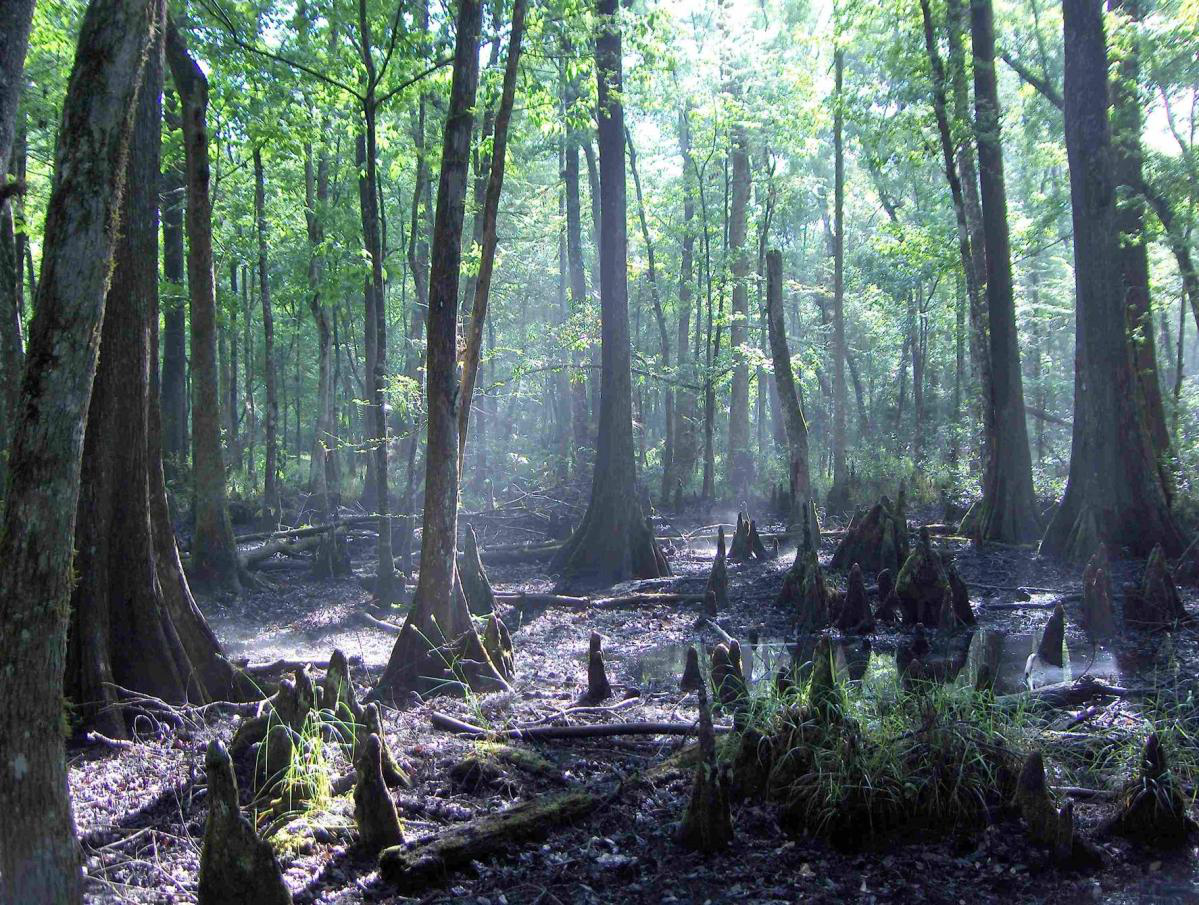
In the dark backwaters of the river, buttressed cypress and tupelo trees stand in the tea-colored current. This water-bound forest thrives on the nutrient pulse of the flood, filtering the river system.

Where to see it: Along the banks of the Hillsborough River or Little Manatee River.

Floodplain Marsh

Floodplain Marsh

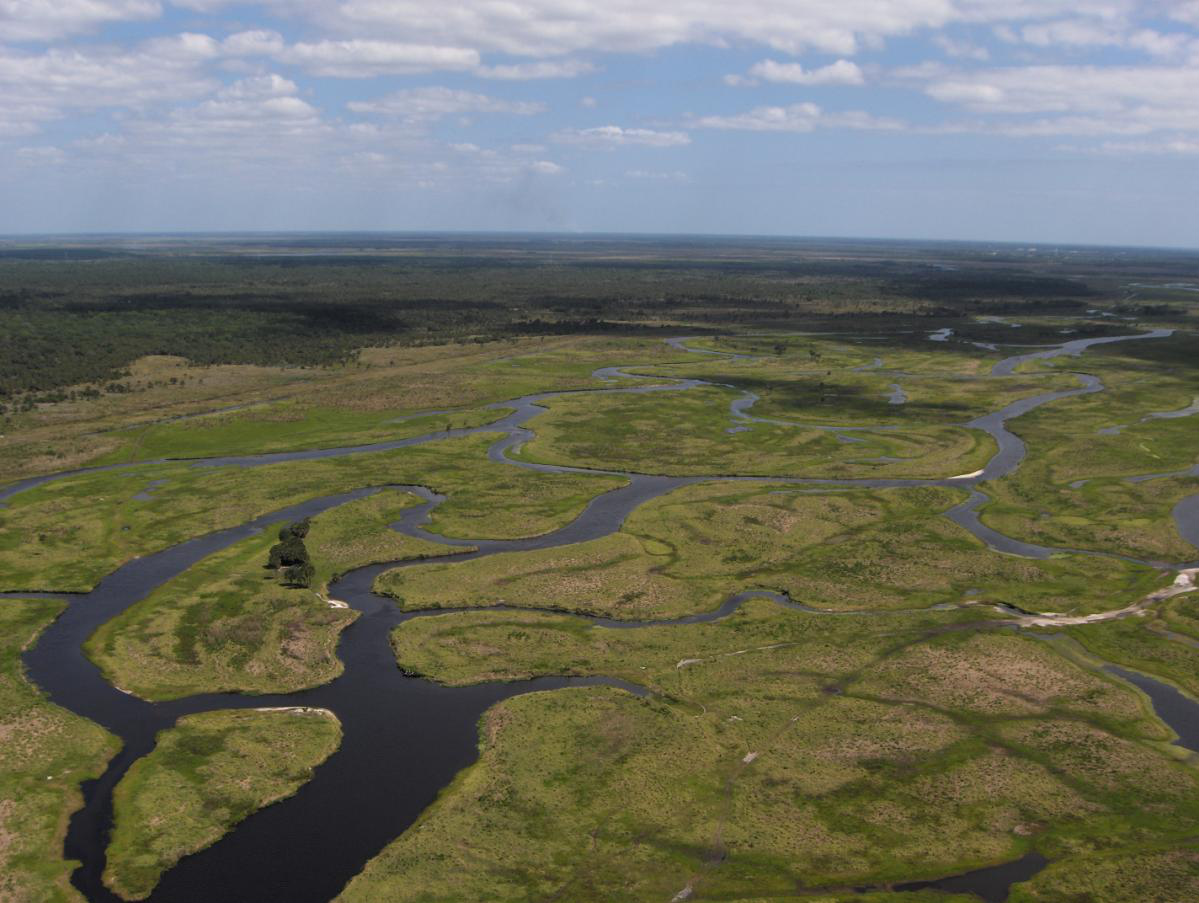
Along the river’s edge, the forest gives way to open ribbons of sawgrass and cordgrass that rise and fall with the flowing water. These marshes are the river’s breathing room, shifting with the floods.

Where to see it: The marshes along the Myakka River.

Dry Prairie

Dry Prairie

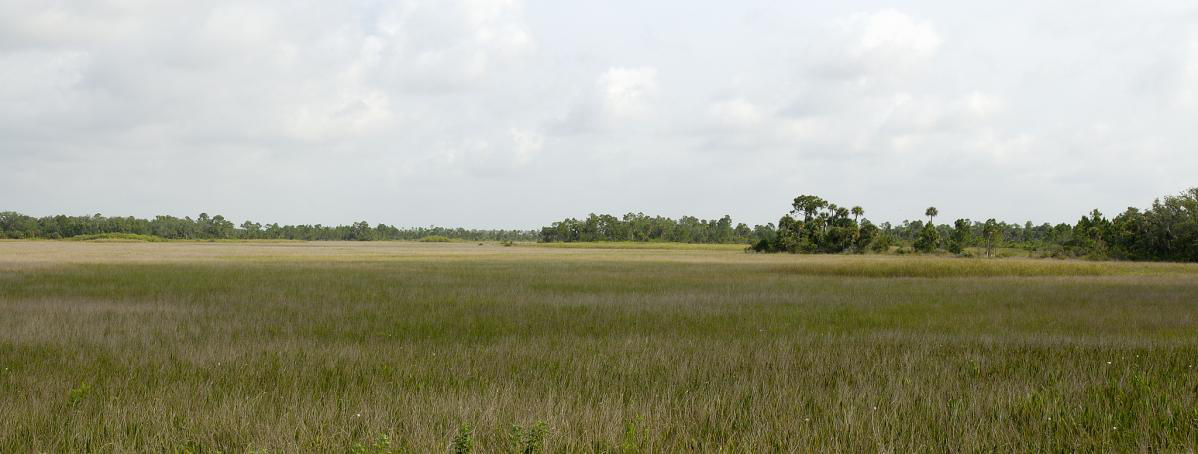
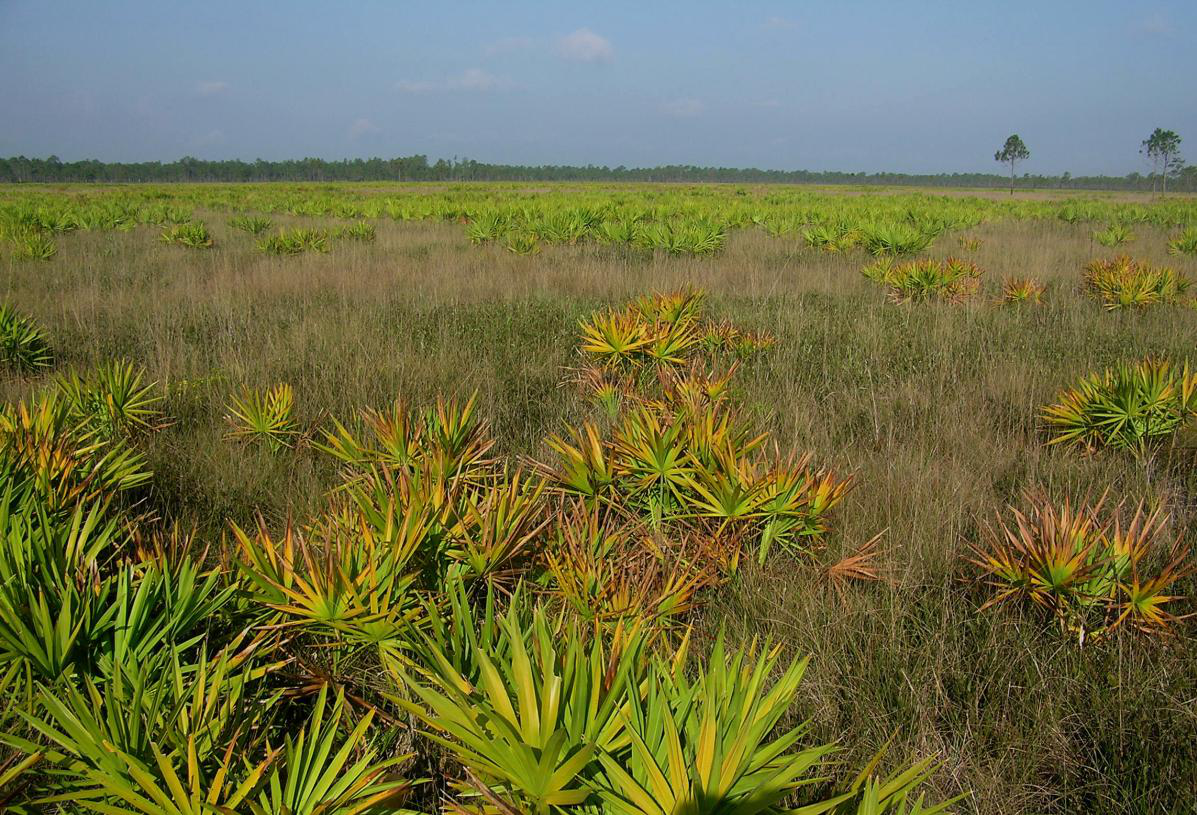
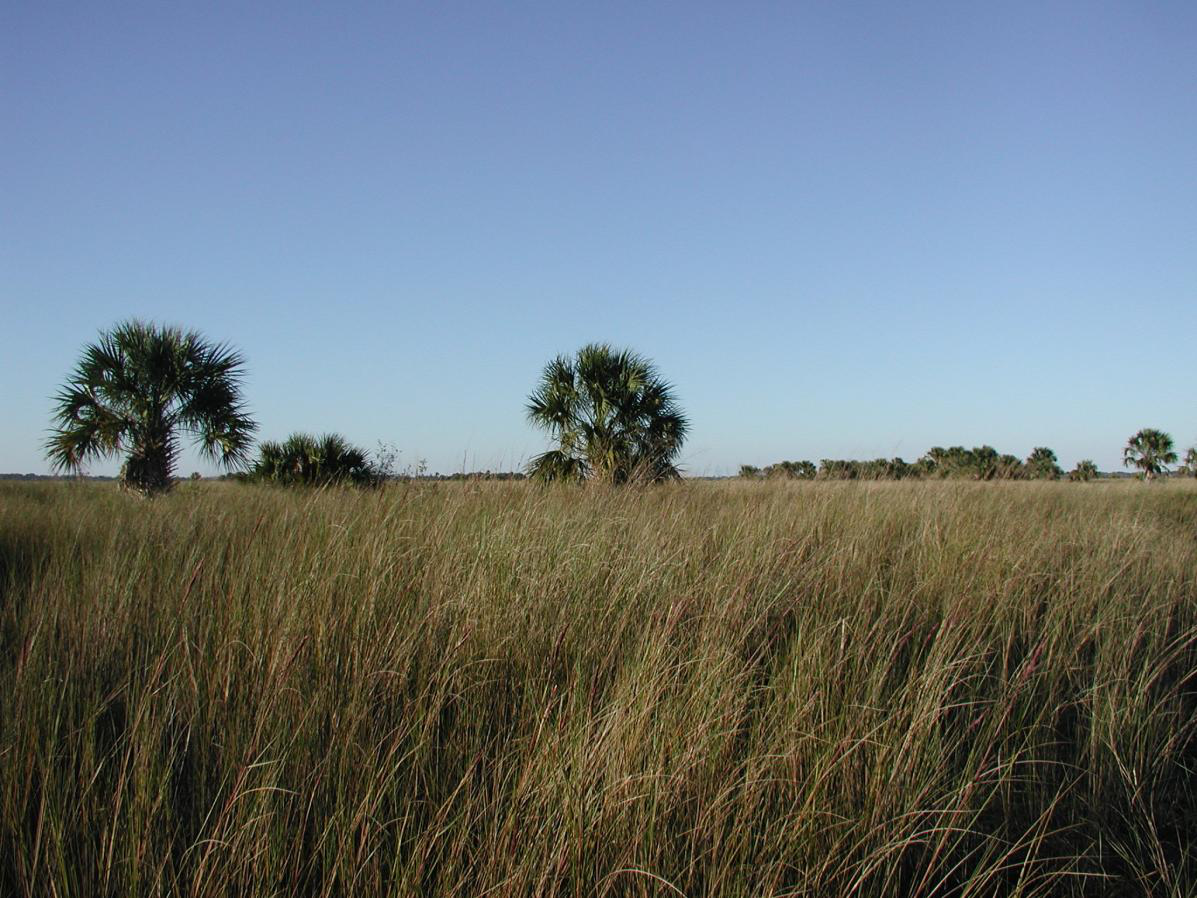
A sweeping horizon of wiregrass and saw palmetto where the sky touches the earth without interruption. It is maintained by fire and flood, existing in a perpetual state of renewal.

Where to see it: The treeless expanses of Myakka River State Park.

Dome Swamp

Dome Swamp

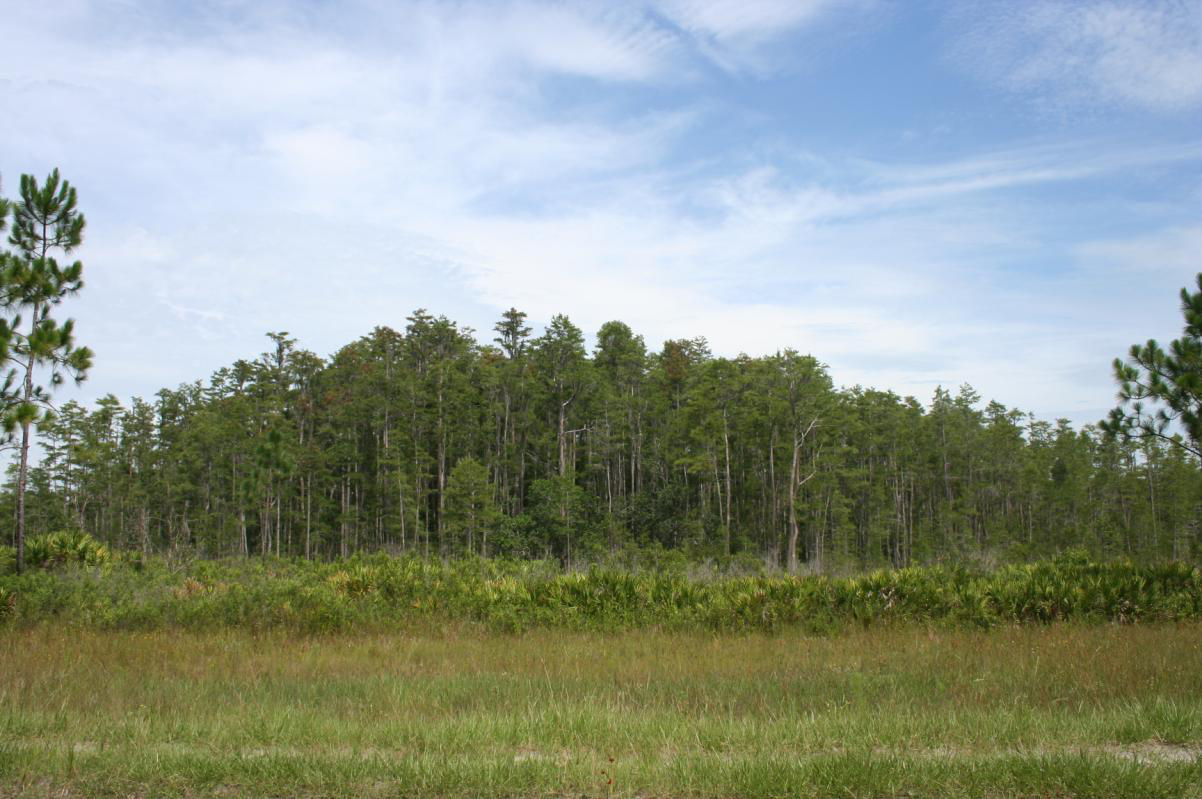
A circular cathedral of cypress trees, growing taller toward the center where the peat is deep. It is a reservoir for the landscape, surviving on the delicate balance between the flood that feeds it and the fire that keeps it open.

Where to see it: The cypress heads at Starkey Wilderness Park or the Green Swamp.

Depression Marsh

Depression Marsh

A small, rounded window into the water table, where rings of grasses mark the slow retreat of the water. These shallow ponds foster a burst of aquatic life before drying down to wait for the rain.

Where to see it: Scattered throughout Brooker Creek Preserve.

Coastal Strand

Coastal Strand

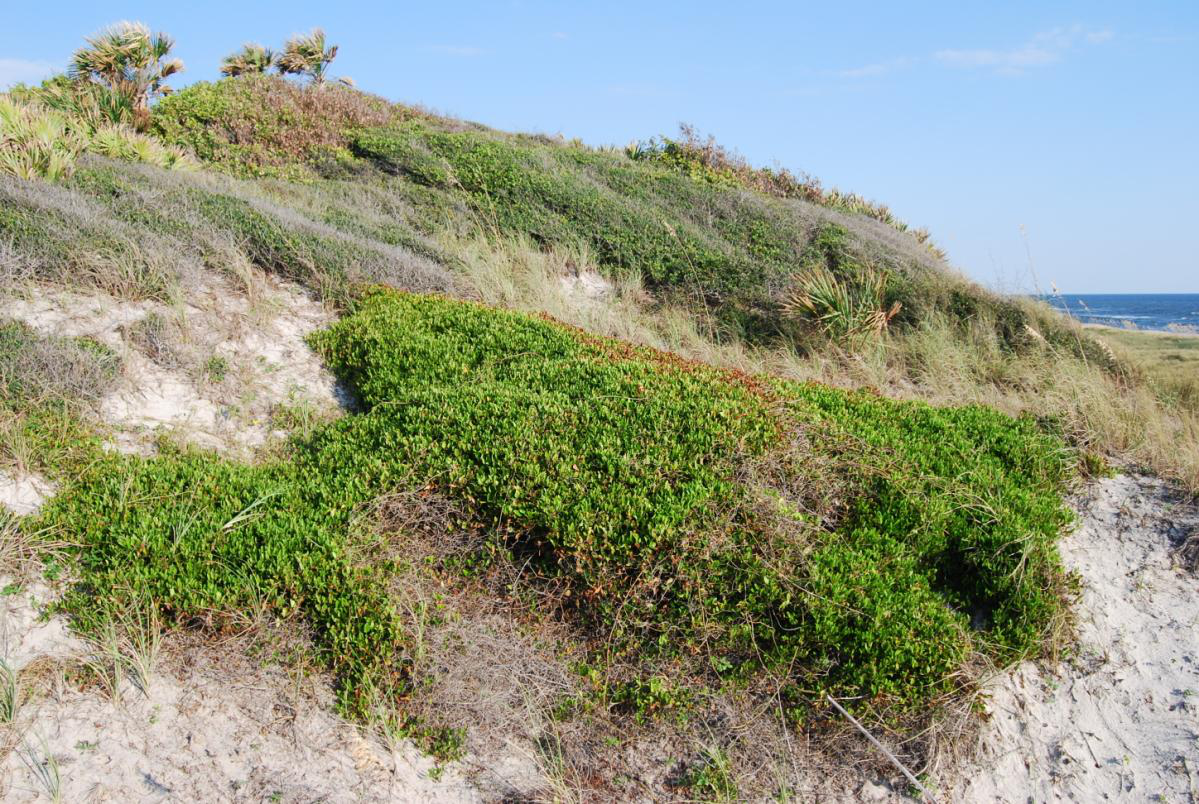
Smoothed by salt spray, this community of tough shrubs acts as a living windbreak along the coast. It survives by bending to the breeze, protecting the interior from the sea’s breath.

Where to see it: The dunes of Honeymoon Island State Park or Fort De Soto Park.

Coastal Interdunal Swale

Coastal Interdunal Swale

In the low troughs between dune ridges, rainwater gathers to create fleeting linear wetlands. These slender marshes shift with the seasons, offering fresh water in a landscape defined by salt.

Where to see it: Between the dunes at Fort De Soto Park or Anclote Key.

Coastal Grassland

Coastal Grassland

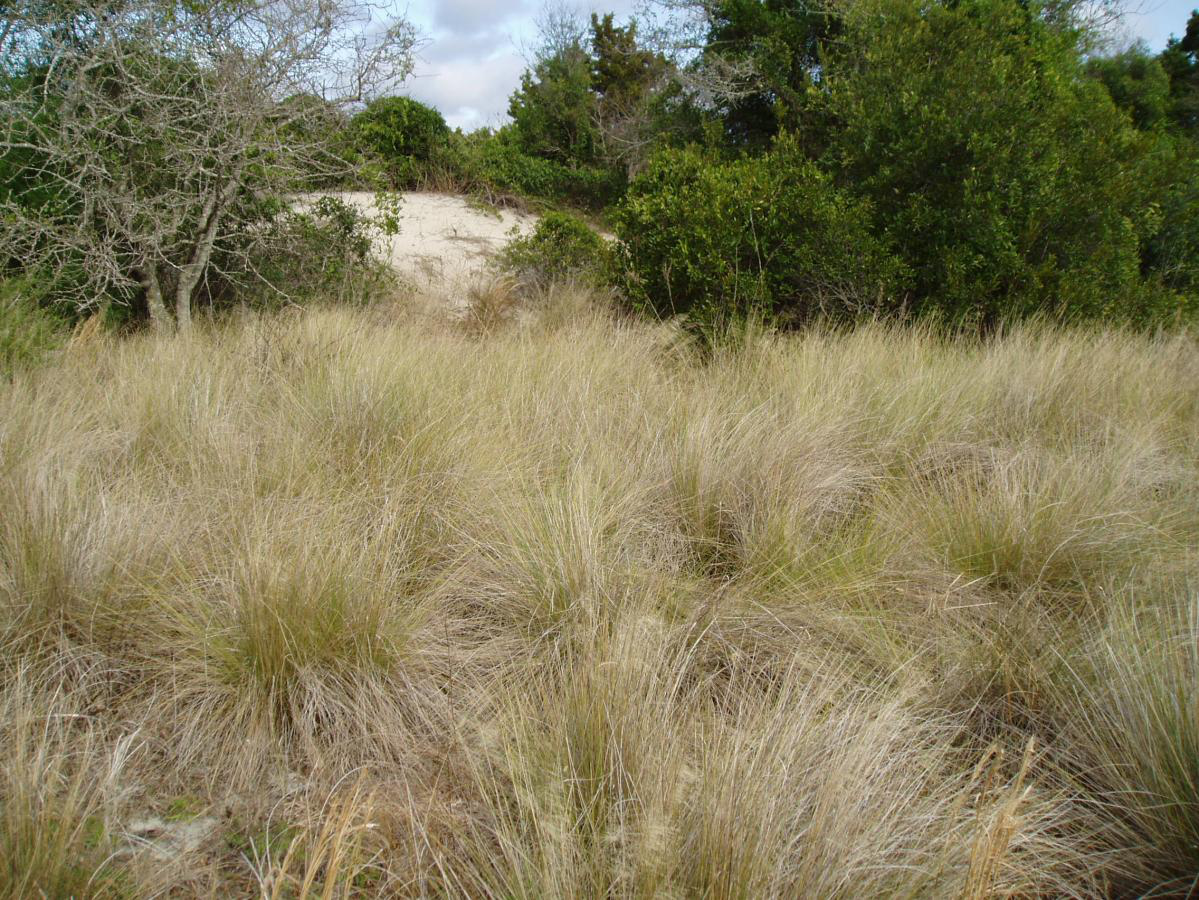
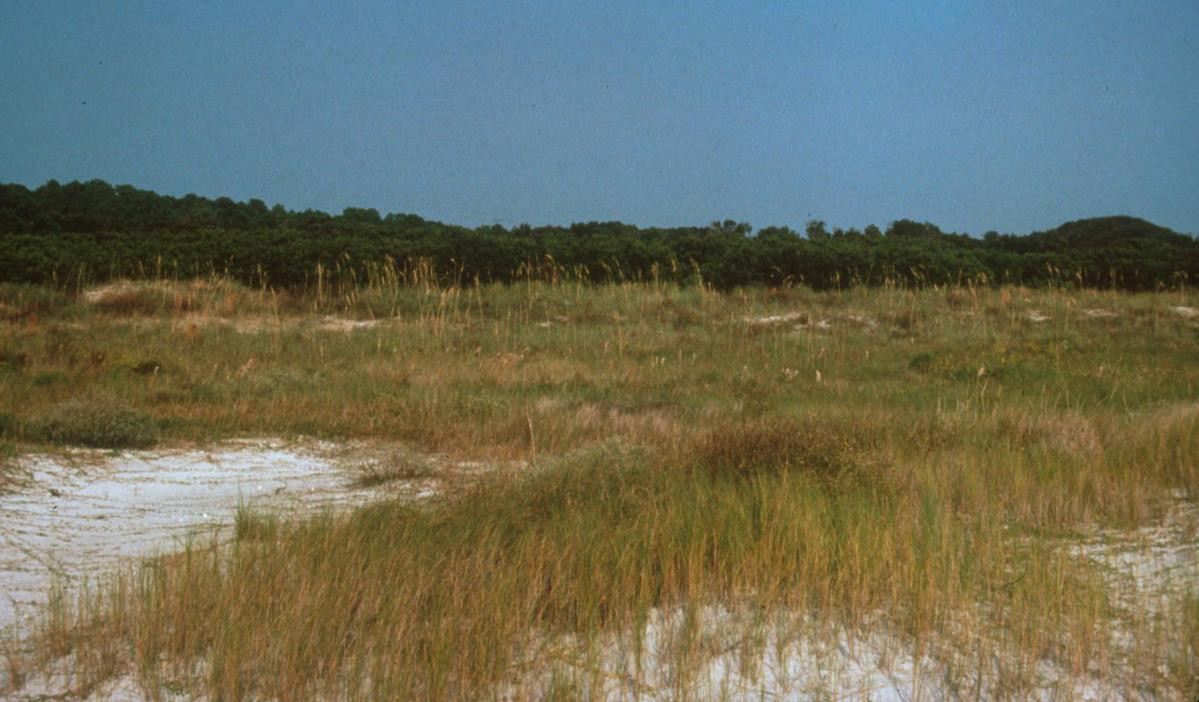
Behind the dunes, the wind softens, allowing a meadow of grasses to settle the shifting sands. It is a landscape of pause between the ocean’s fury and the inland scrub.

Where to see it: The back dunes of Caladesi Island State Park.

Coastal Berm

Coastal Berm

A ridge of loose shell and debris cast up by storms, now a quiet refuge for tropical shrubs. It is a testament to the ocean’s power to create new land, offering a foothold just above the tides.

Where to see it: The shell ridges on Cayo Costa or Egmont Key.

Bottomland Forest

Bottomland Forest

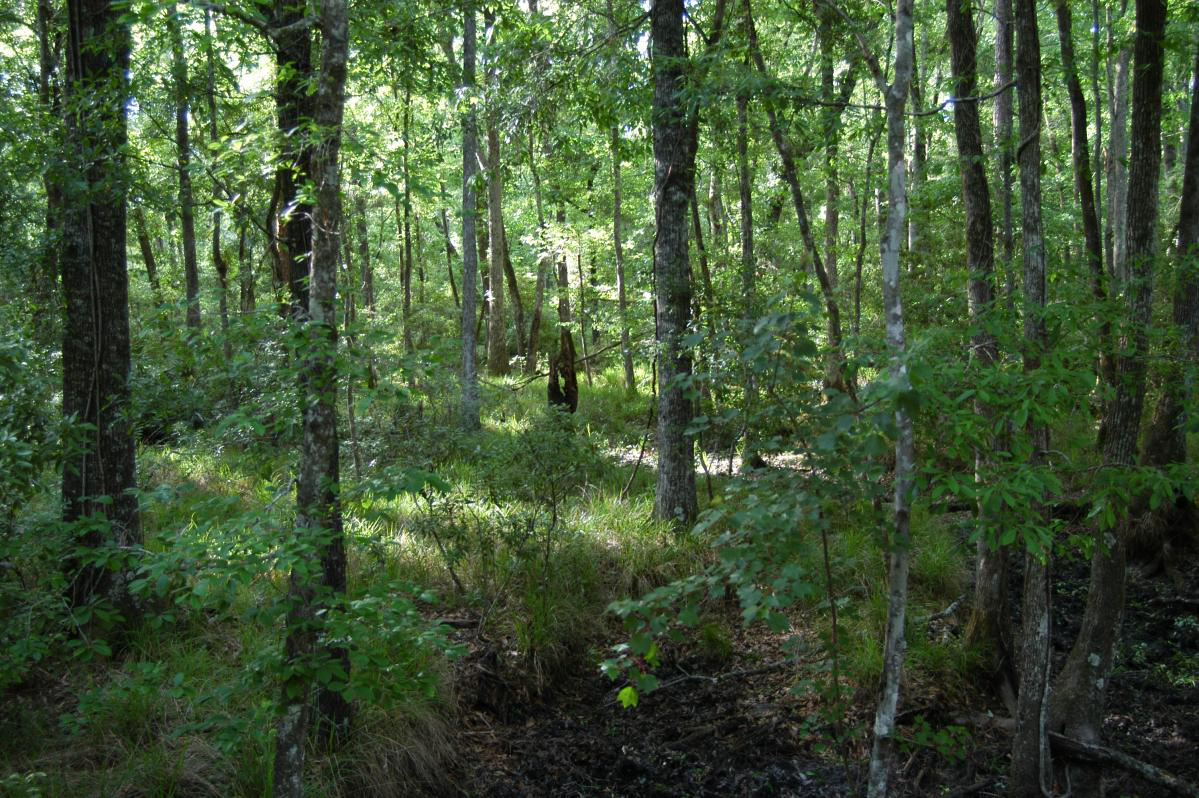
On the high terraces of the floodplain, this forest exists in the lull between the river’s floods. It is a place of transition, where the water recedes enough for a diversity of oaks to stand tall in the rich soil.

Where to see it: The high banks of the Hillsborough River State Park.

Beach Dune

Beach Dune

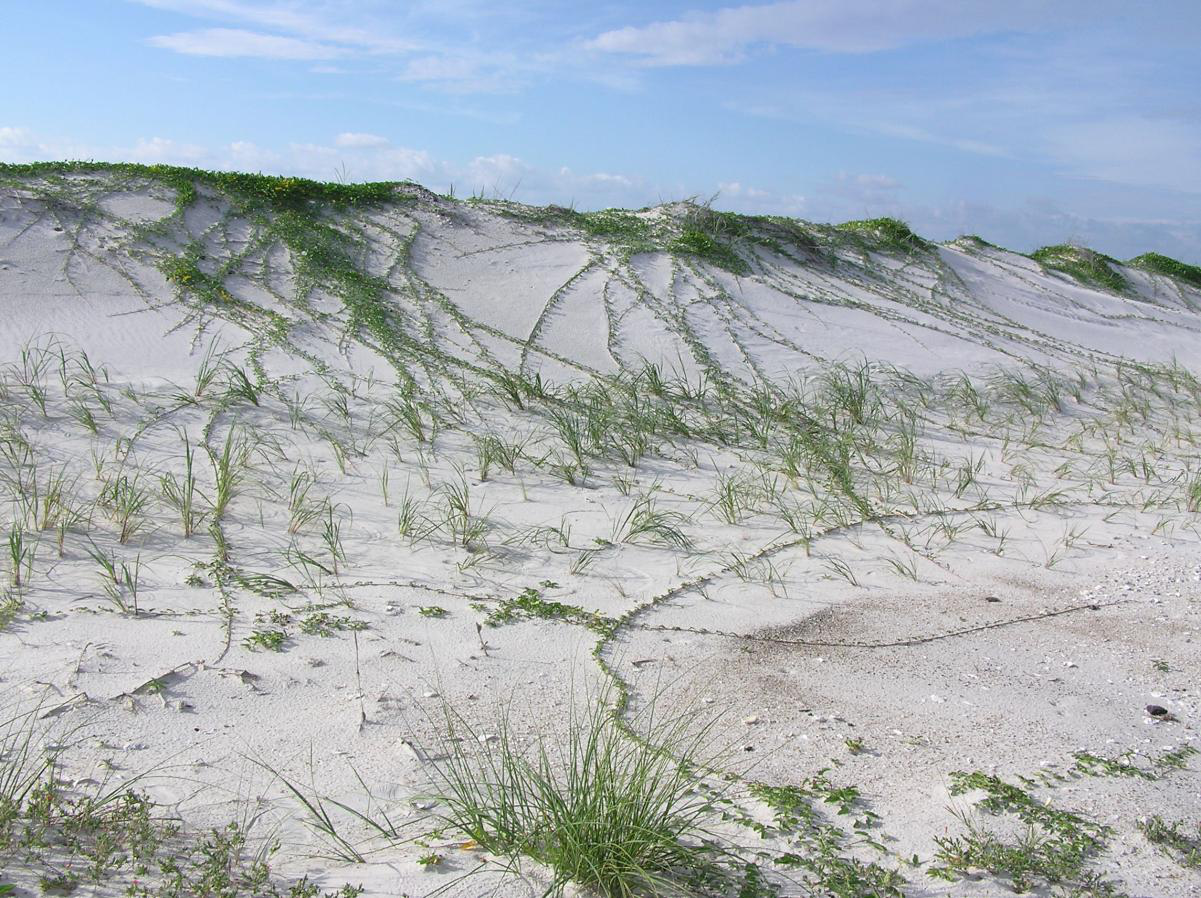
A restless edge where the sea gives up its sand to the wind, built and rebuilt by storms. Life here clings to a landscape that is always in motion, finding stability in the shifting grains.

Where to see it: The shores of Fort De Soto Park or Caladesi Island.

Baygall

Baygall

A dense tangle fed by the slow bleed of groundwater, where the air hangs heavy and humid. The deep peat floor supports a green silence of bay trees that thrives in the absence of fire.

Where to see it: The seepage areas of Little Manatee River State Park.
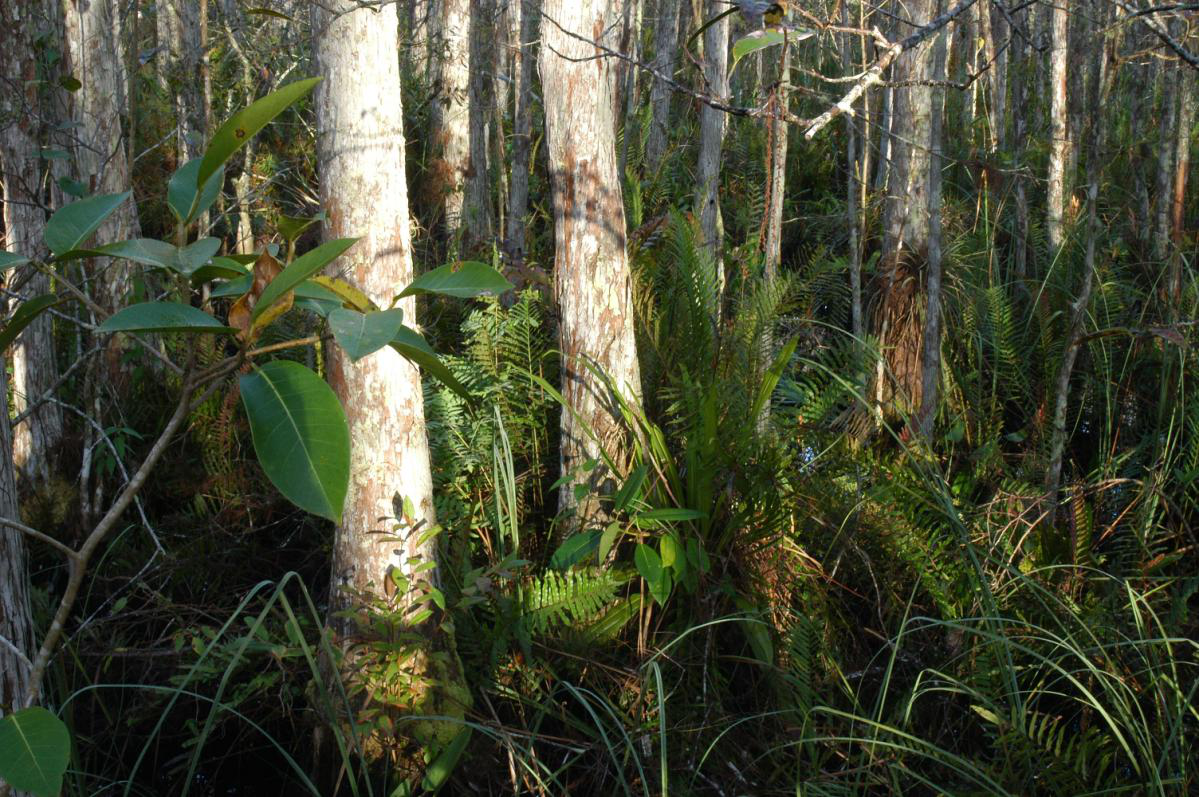
Basin Swamp

Basin Swamp

In these deep basins, time slows down, allowing peat to gather beneath a canopy of ancient cypress. It is a dark refuge that holds the rain, releasing it slowly back to the earth only when the season turns.
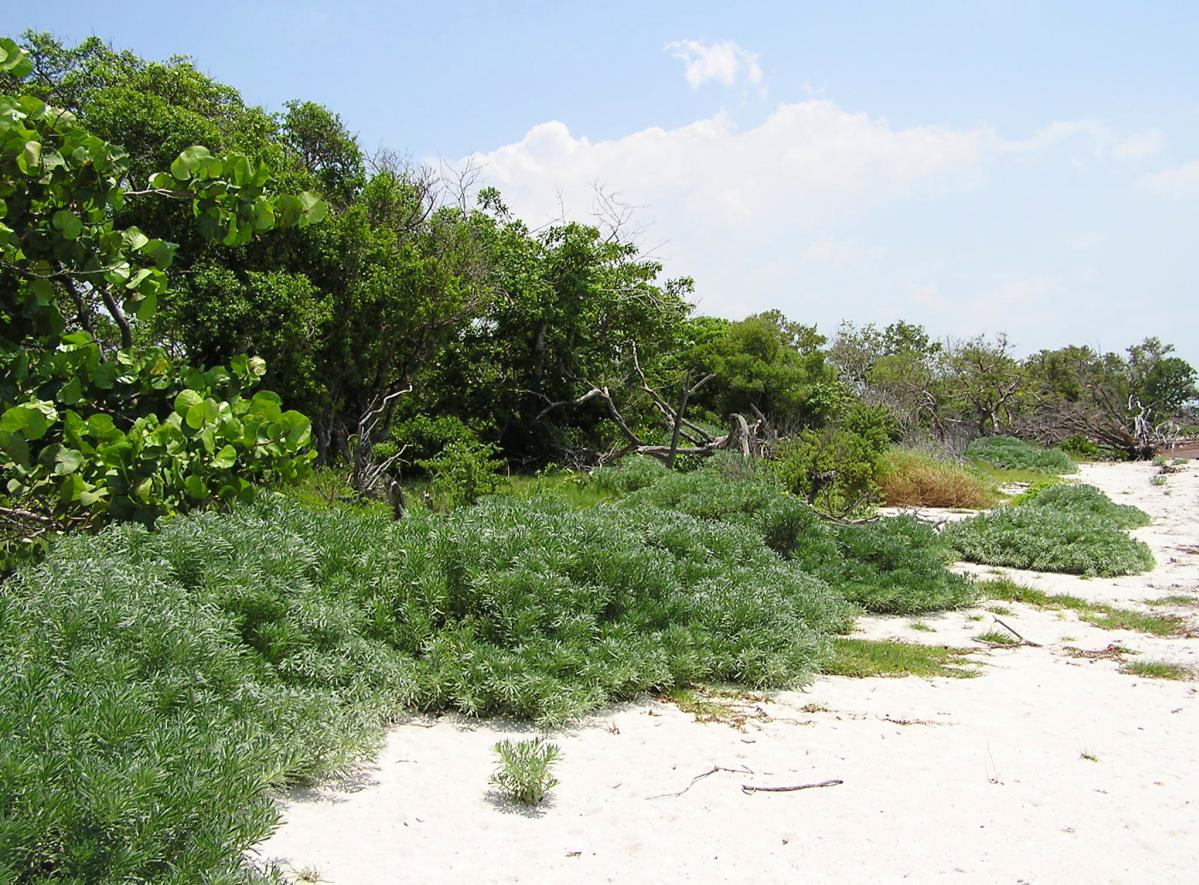
Where to see it: The vast expanse of the Green Swamp Wilderness Preserve.

Basin Marsh

Basin Marsh

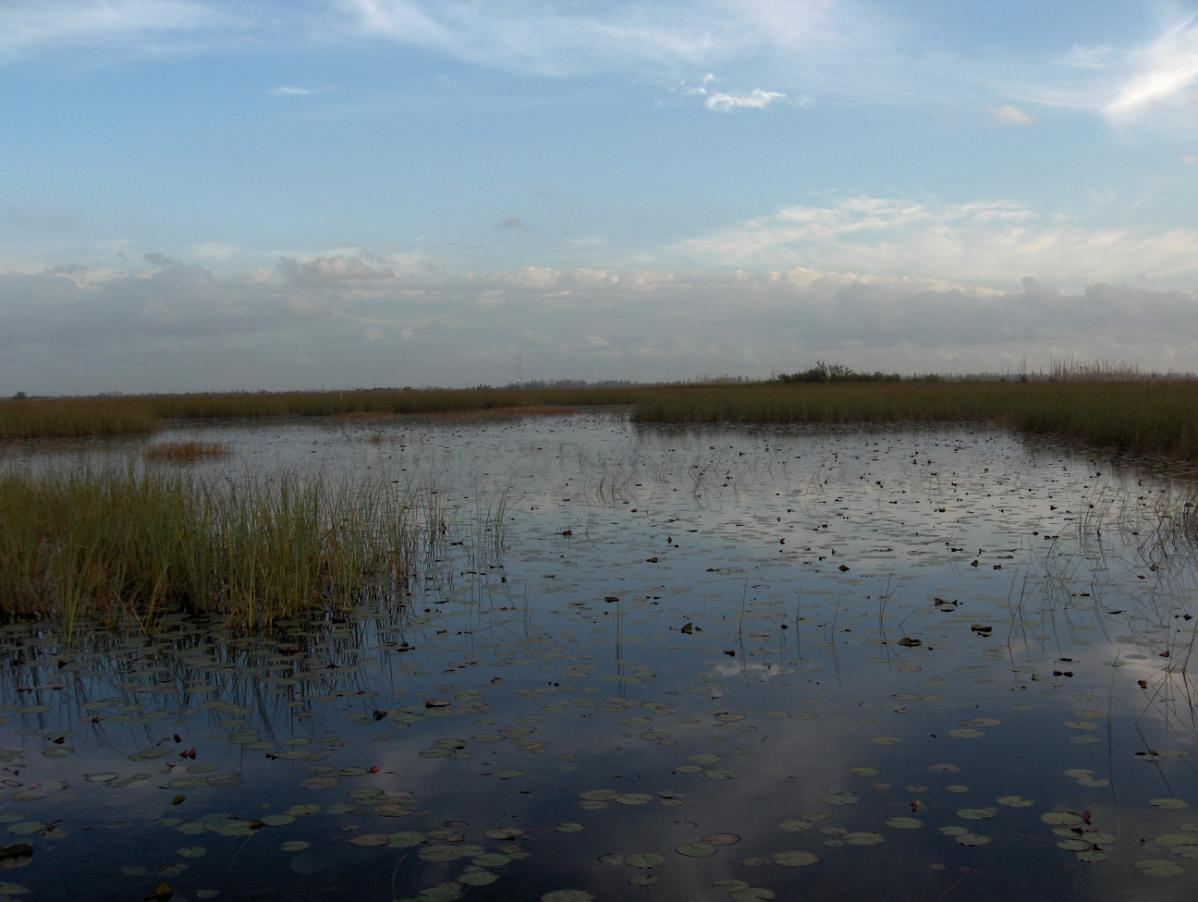
A vast, shallow expanse where water rests before moving on, shifting between lake and meadow. It is a grassy bowl where the sky reflects on the water, hosting a quiet succession of life.

Where to see it: The headwaters of the Myakka at Flatford Swamp.

Alluvial Forest

Alluvial Forest

A forest born of the river’s restlessness, where floodwaters sculpt ridges and swales from the shifting earth. Here, the land breathes with the rise and fall of the season, feeding the estuary with the richness of its own decay.

Where to see it: The floodplain of the Little Manatee River.